


Acessibility
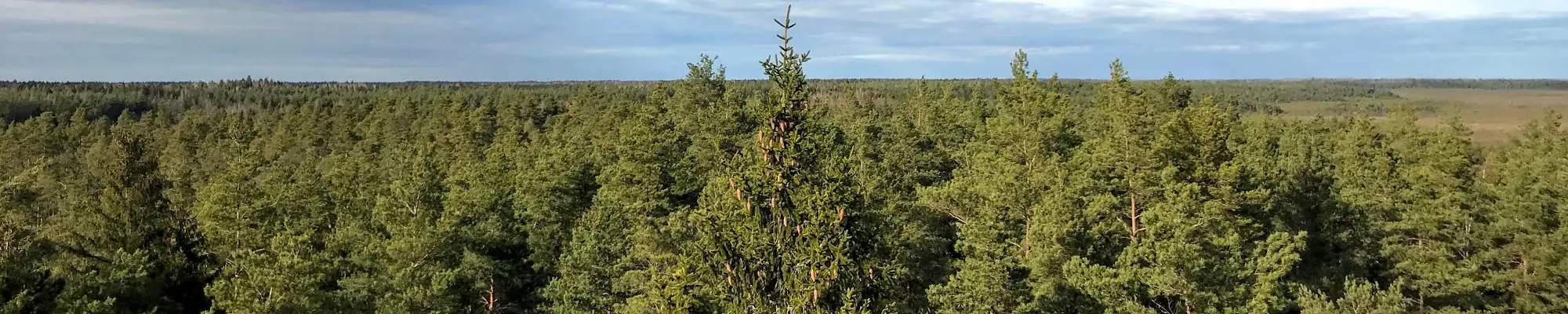
The Baltic Forest Trail's accessibility varies significantly along its extensive route, primarily featuring natural forest paths, gravel roads, and occasional boardwalks. While some sections may offer smoother terrain suitable for less challenging walks, steeper inclines, uneven surfaces, roots, and steps mean that the trail generally presents limited accessibility for wheelchairs and individuals with severe mobility impairments, making it best suited for hikers with a reasonable level of physical fitness. It is recommended to consult detailed section descriptions for specific accessibility information.
Route sections adapted for accessibility

Baltic Forest Hiking - Wheelchair accessible
Specially adapted sections of the route, their parts or special places, improved with appropriate infrastructure for people in wheelchairs. These can be specially prepared alternative routes, route loops, access (off-ramps) to the sea, adapted parking lots, toilets, trails, etc.
Wheelchair accessible sections
Baltic Forest Hiking - For visually impaired
Sections of the route, or parts thereof, adapted with special infrastructure for people with visual restrictions.
For visually impairedAccessible Hiking Guidelines
These documents (guidelines) contain practical advice on how to make hiking routes and nature trails accessible to different groups in society, based on solutions that have been tested in practice. They serve as a practical guide for trail planners, municipalities, and tourism organizations, as well as for trail and route visitors themselves, helping to create an inclusive and safe hiking experience. The guidelines are based on the example of the long- distance hiking trails Baltic Coastal trail and Forest trail.
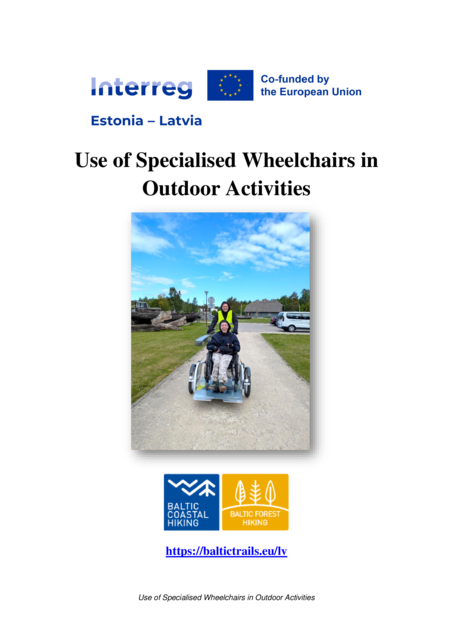
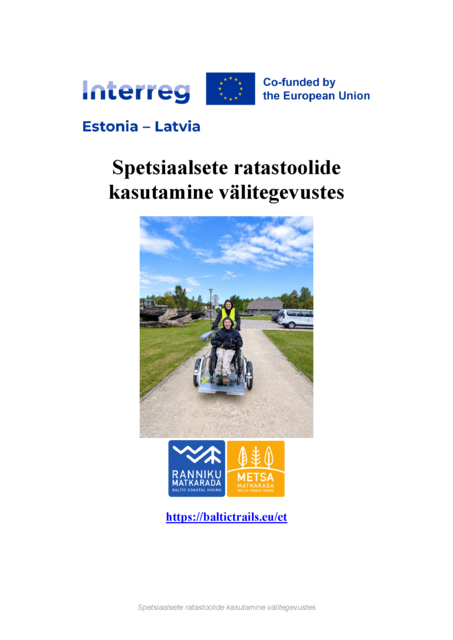
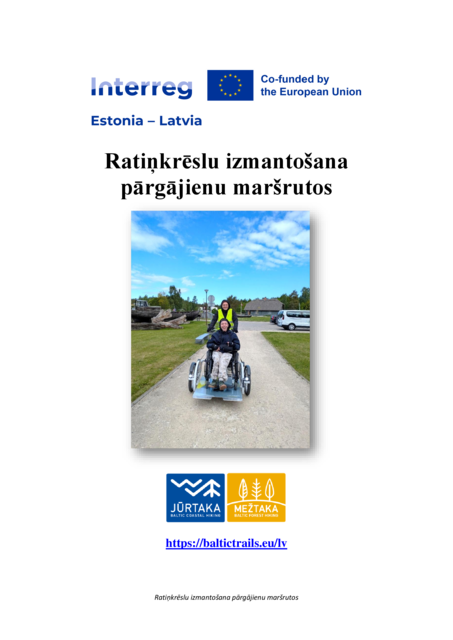
- WHEELCHAIR USERS - Use of Specialised Wheelchairs in Outdoor Activities
- PEOPLE WITH VISUAL IMPAIRMENTS - Development of Hiking Routes and Trails with Audio Guides for People with Visual Impairments
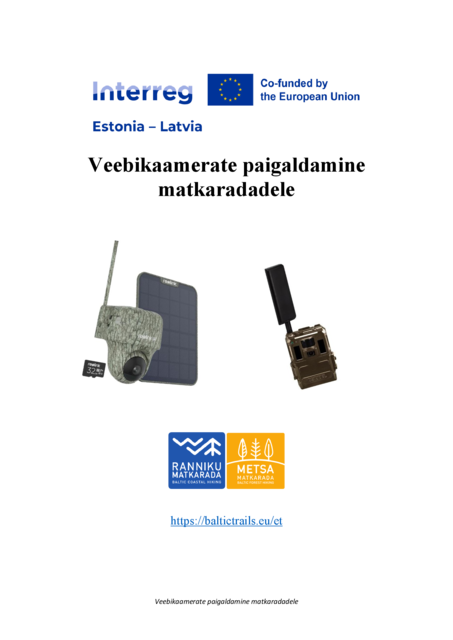
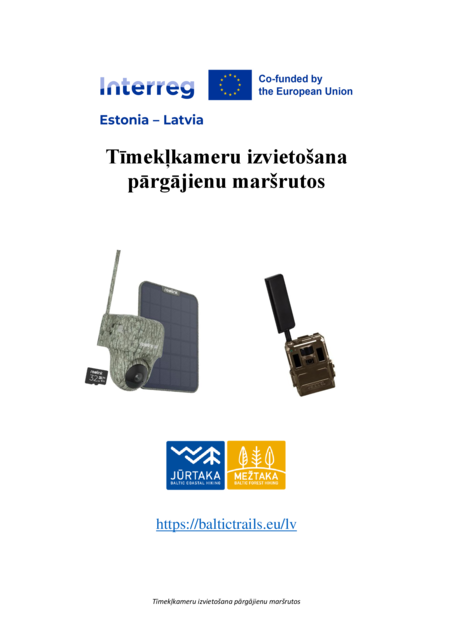
- SENIORS, PEOPLE WITH YOUNG CHILDREN, SCHOOL-AGED YOUTH - Placement of Webcams on Hiking Trails
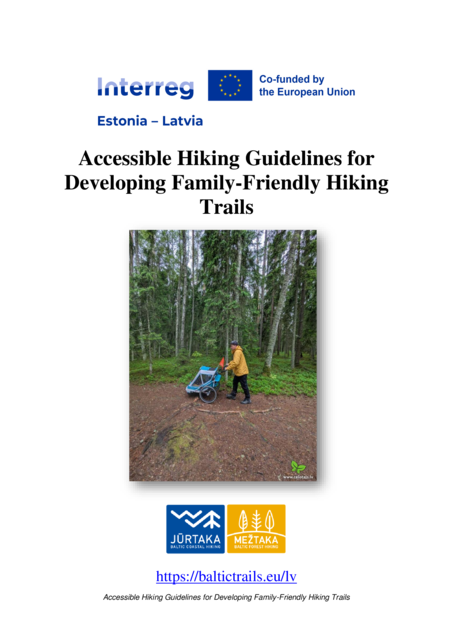
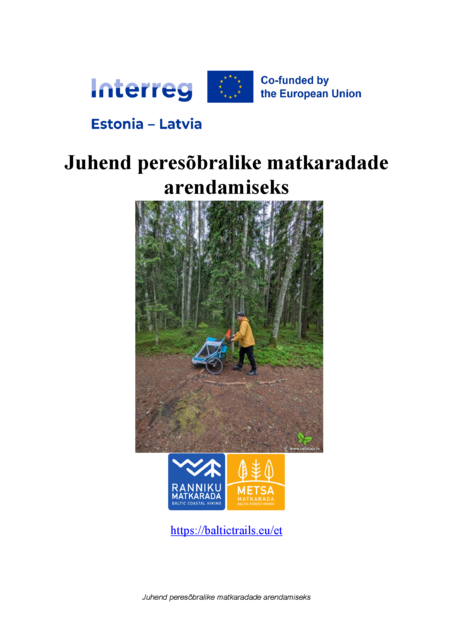
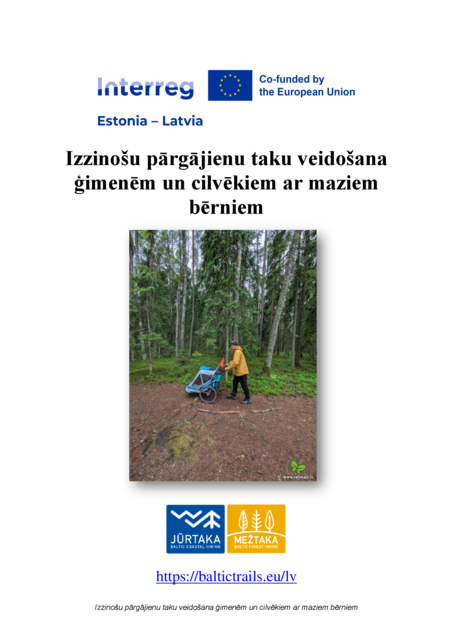
- FAMILIES AND PEOPLE WITH YOUNG CHILDREN - Accessible Hiking Guidelines for Developing Family-Friendly Hiking Trails
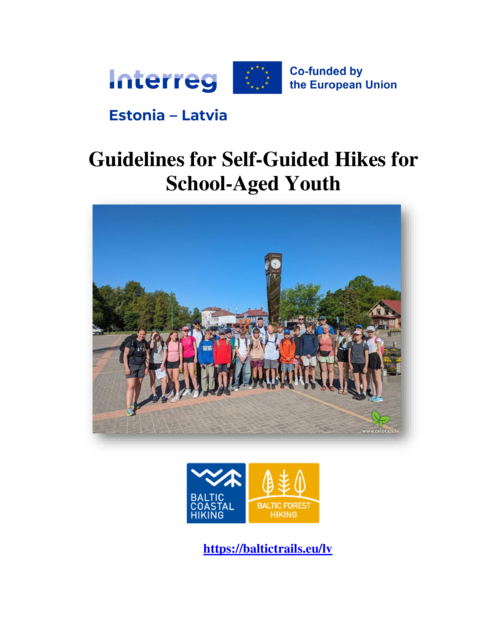
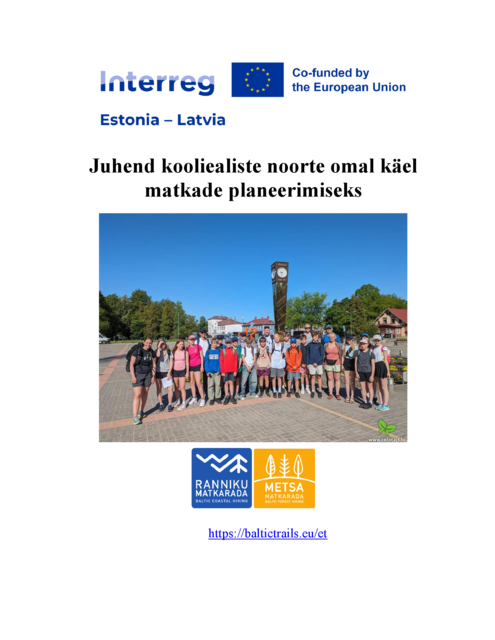
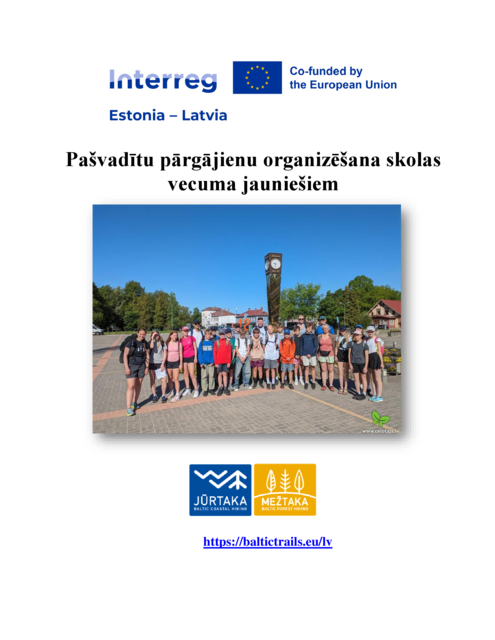
- SCHOOL-AGED YOUTH - Guidelines for Self-Guided Hikes for School-Aged Youth
- PEOPLE FACING LANGUAGE AND CROSS-CULTURAL BARRIER - Accessible Hiking Guidelines for Foreigners and Cross-Cultural Social Group
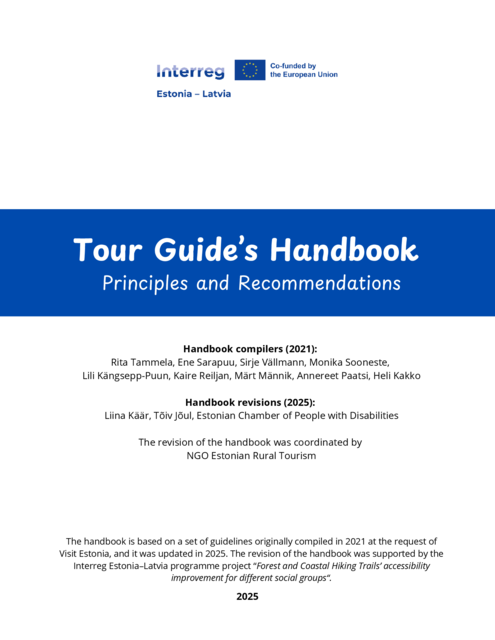
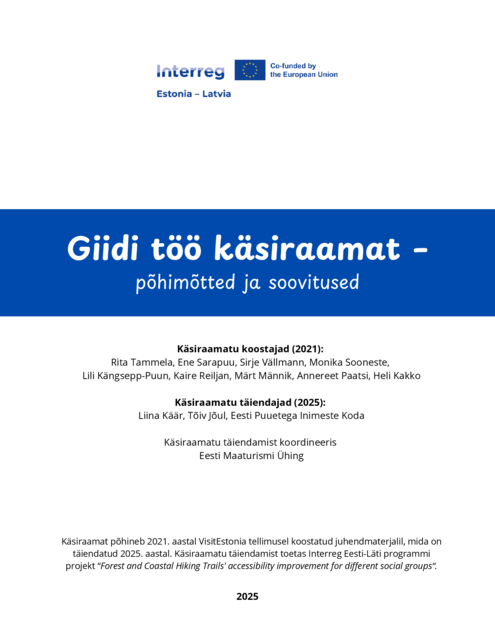
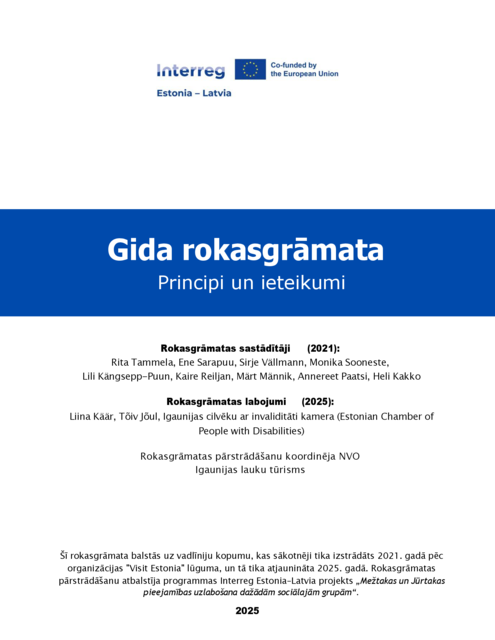
- DISABLED PEOPLE, SERNIORS, SCHOOL GROUPS - Guide for tour guides on working with people with disabilities, seniors, school groups and other visitors, providing practical advice on creating inclusive and accessible experiences
Wheelchair use on hiking routes
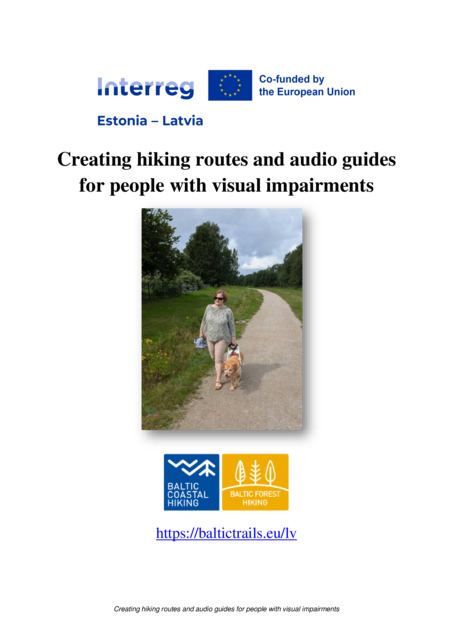
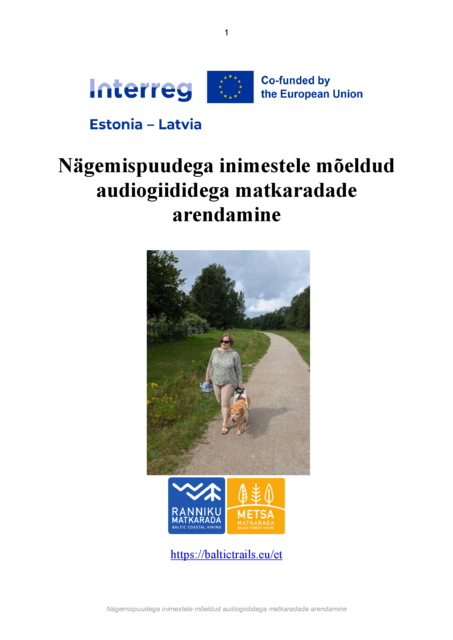
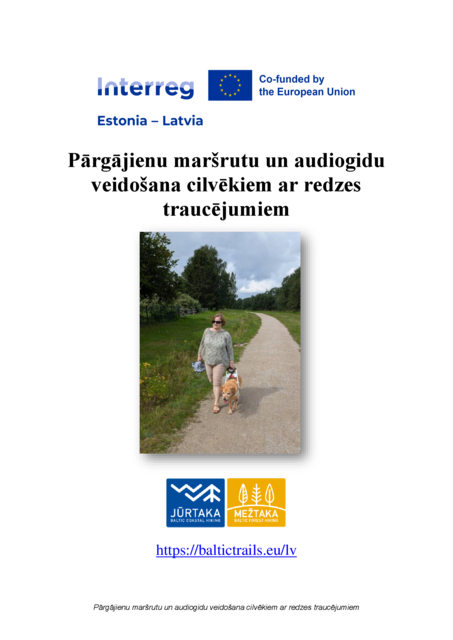
Creating hiking routes and audio guides for people with visual impairments
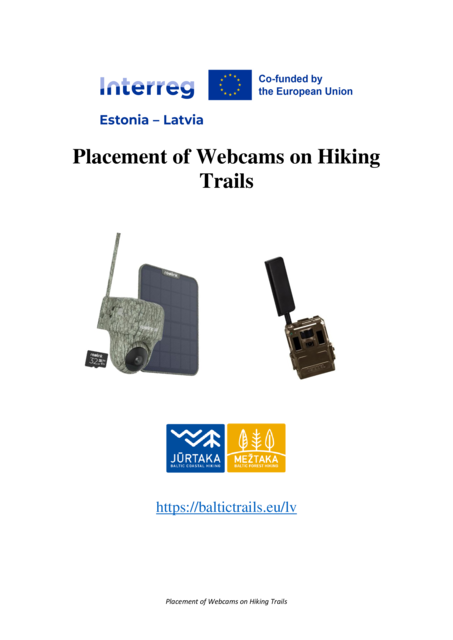
Placing webcams on hiking routes
Creating educational hiking trails for families and people with young children
Guidelines for self-guided hikes for school-aged youth
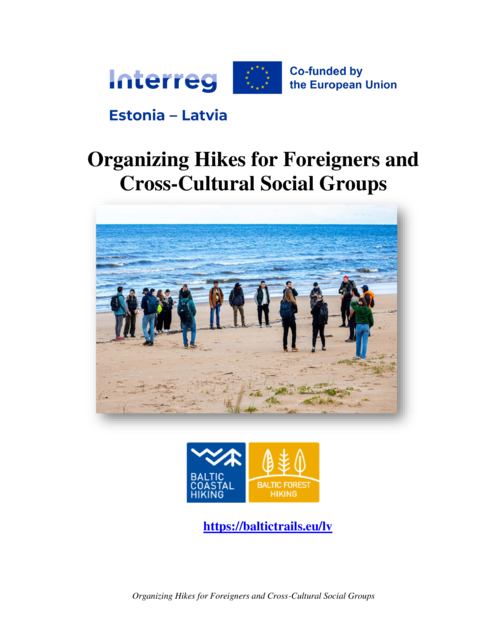
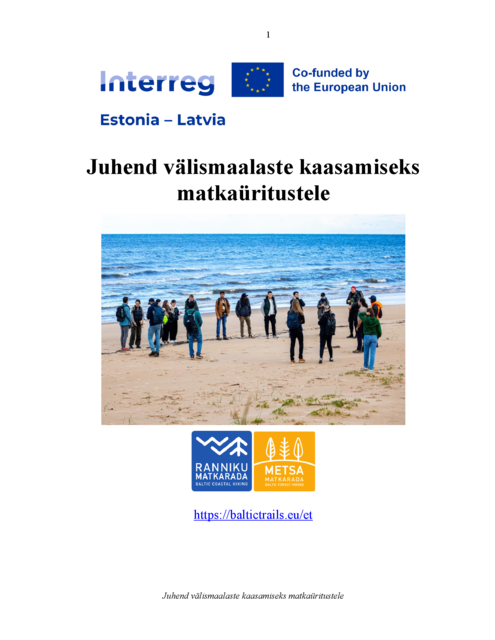
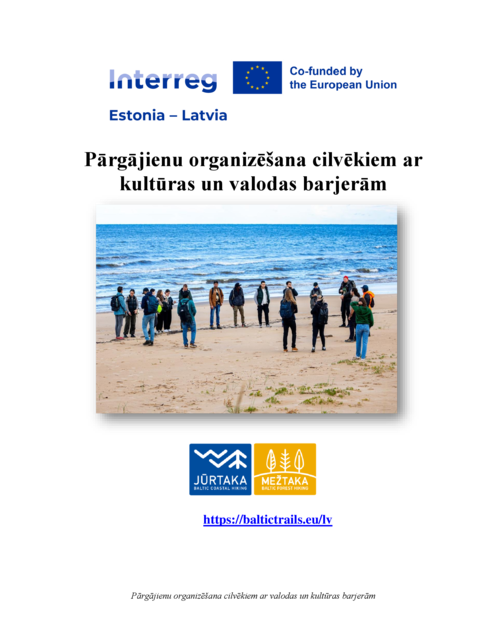
Accessible Hiking Guidelines for Foreigners and Cross-Cultural Social Groups
Guide for tour guides on working with people with disabilities