
Лесная тропа прибалтики - Wheelchair accesible


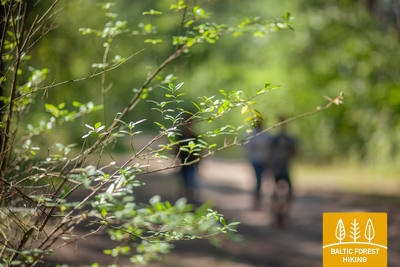
 1. posms. Vecrīga - Baltezers.
Cauri Rīgai – UNESCO Pasaules mantojuma vietai
Latvijā Mežtakas sākums atrodams Vecrīgas sirdī – Rātslaukumā. Maršruts ved pa Kaļķu ielu, garām Brīvības piemineklim, cauri Vērmanes dārzam un pa vēsturisko Tērbatas ielu. Tālāk tas izmet loku pa gājēju tiltu pāri Zemitānu dzelzceļa stacijai un turpinās pa Biķernieku un Šmerļa mežiem. Mežtaka vijas cauri Juglai, gar Latvijas Etnogrāfisko brīvdabas muzeju un pa gājēju un velosipēdistu celiņiem aizved līdz Baltezeram.
Pastaigu taka "Sajūti Juglu"
Juglas ezera ziemeļaustrumu daļā - Juglā 250 m garumā (vienā virzienā) ir izveidotas koka laipas ar skatu platformu uz Juglas ezeru, soli, 20 taktīlie telpiskie ciļņi ar ezera un apkaimes raksturīgajām dzīvnieku sugām, informācija Braila rakstā. Pieejama cilvēkiem ar ratiņkrēslu. Atrodas 0,5 km attālumā no Mežtakas.


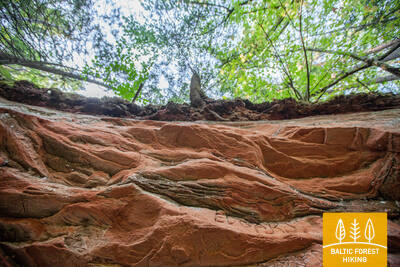
 4. posms. Rāmkalni - Sigulda.
Skaistākie Gaujas senlejas skati pie Siguldas
Aiz „Rāmkalniem” Mežtaka uzvijas augstajā Gaujas senlejas stāvkrastā un pa tā augšdaļu izved cauri Gaujas ciemam, līdz atkal nonāk lejā. Tālāk tā šķērso Lorupi un aizvijas gar Gaujas līkumiem līdz vienam no iespaidīgākajiem Gaujas atsegumiem – Velnalas klintīm, tad uzved Ķeizarskatā un apmet loku līdz Ķeizarkrēslam, Kaķīškalna „Mežakaķim” un Siguldas bobsleja un kamaniņu trasei, līdz sasniedz Siguldas centru.
Taka uz Gūtmaņa alu
No Gūtmaņalas apmeklētāju centra autostāvlaukuma (GPS: 57.176245, 24.846747) taka aizved līdz vienam no populārākajiem Gaujas Nacionālā parka objektiem - Gūtmaņalai. Takas segums ir grants šķembas, asfalts, 1,15 - 2 m platumā. Takas garums - 0,5 km (turp - atpakaļ). Pieejams cilvēkiem ratiņkrēslā ar pavadoni. Ir pielāgota WC. Lifts tunelī nestrādā! Ir jāšķērso iela, kur ir neliela apmale! Atrodas 2,7 km attālumā no Mežtakas.


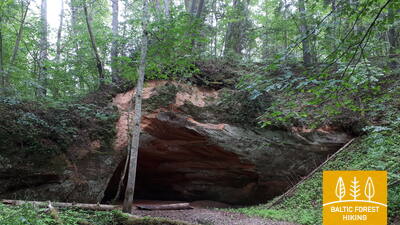
5. posms. Sigulda - Līgatne.
Gaujas Nacionālā parka sirdī
Izmetusi loku cauri Siguldai, Mežtaka gar Vējupītes gravas kreisā krasta augšdaļu nonāk līdz Paradīzes kalnam, no kura pa stāvām kāpnēm ved lejup Gaujas senlejā un Vējupītes gravā. Lielāko daļu no tālākā maršruta Mežtaka virzās pa mazām, vientuļām meža takām un cauri nelielām pļavām (jūnijā zied sveķenes), šķērsojot daudzu mazo upīšu gravas, kuru krastos slejas smilšakmens atsegumi. Posma pēdējie seši kilometri virzās pa nelielu ceļu gar Līgatnes dabas takām. Pirms Līgatnes Mežtaka paceļas augšup pa Gaujas senlejas nogāzi, bet Līgatnē atkal nolaižas Līgatnes upītes dziļajā gravā, kuras krastos izvietojies bijušās Līgatnes papīrfabrikas ciemats.
Taka uz Paradīzes kalnu
No Miera ielas autostāvlaukuma (GPS: 57.170624, 24.862061) var iepazīt Gleznotājkalnu, dodoties apļveida maršrutā ap 2 km garumā. Taka ir pieejama cilvēkiem ar ratiņkrēslu un vecākiem ar bērnu ratiņiem. Takas segums - asfalts, šķembas un laipas (tiltiņi). Taka nav marķēta, bet krustojumos ir norādes. Posms no autostāvlaukuma līdz Gleznotājkalnam sakrīt ar Mežtaku.
Līgatnes dabas takas
Līgatnes dabas takas ir viens no populārākajiem Gaujas Nacionālā parka objektiem, kur Latvijas mežiem raksturīgie zvēri dzīvo pietuvināti dabiskajiem apstākļiem. Cilvēkiem ratiņkrēslos ir pieejami divi taku posmi no apmeklētāju centra "Pauguri" - uz lāču mītni (300 m vienā virzienā) un lapsu mītni (600 m vienā virzienā). Apmeklētāju centrā ir pielāgotas WC, izveidots speciāls autostāvlaukums (GPS: 57.248149, 25.014735). Atrodas blakus Mežtakai.


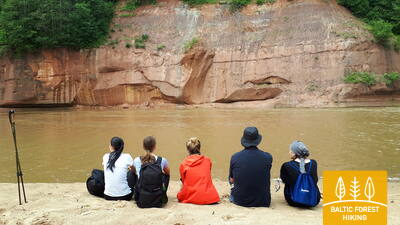
 6. posms. Līgatne - Cēsis.
Pa veco Cēsu ceļu cauri Amatas ielejai
Viens no ainaviski skaistākajiem Mežtakas posmiem ved cauri vēsturiskajam Līgatnes papīrfabrikas ciematam, gar Spriņģu iezi izlīkumo pa Skaļupes takām un Mitoloģisko taku, iegriežoties vienā no Dzelzs priekškara slepenākajiem objektiem – Padomju bunkurā, tad turpinās pa ceļu gar Roču rezervātu, šķērso Amatu, pa kuras ģeoloģisko taku (skaistākais un klinšainākais Amatas posms) nonāk līdz Zvārtes iezim. Tālāk Mežtaka uzskrien Amatas ielejas augstajā krastā un pa vēsturisko Cēsu–Rīgas „lielceļu” (tagad – mazs lauku un meža ceļš ar vecajiem ceļa stabiem) aiziet līdz Rakšiem, atkal paceļas Vāļukalnos un no Ozolkalna gar Gaujas krastu izlīkumo Cīrulīšu dabas takās, kas bagātas ar smilšakmens klintīm un avotiem. Pie Gaujas ielas tas beidzas, taču ceļinieki pa šo ielu var aiziet līdz 2,8 km attālajai Cēsu vecpilsētai, vēl vienu dienu pavadīt Cēsīs un tad turpināt maršrutu.
Taka uz Zvanu klinti
900 m garā taka aizved līdz Gaujas senlejas pamatkrasta nogāzei, kur paceļas Zvanu klintis un izvietota skatu platforma. Takas platums - 1,5 m, segums - koka laipa. Taka pieejama cilvēkiem ar ratiņkrēslu asistenta pavadībā, jo jāpārvar apmale, lai tiktu uz takas un arī slīpums vietām ir pārāk liels. Nav autostāvlaukuma un WC. Ceļa malā blakus ir smilšaina "kabata", kur var atstāt auto. Atrodas blakus Mežtakai.


7. posms. Cēsis - Caunītes.
Iespaidīgie smilšakmens atsegumi Gaujas krastos
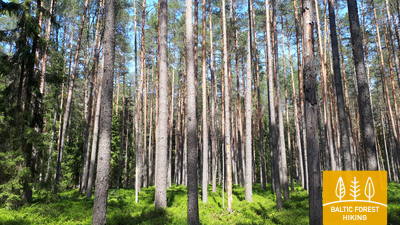
Līdz ūdenstūristu apmetnei „Lenči” Mežtaka ved pa nelieliem – mežu, Gaujas loku un vecupju ieskautiem – ceļiem un takām, bet pirms Ērģeļu klintīm tā iekļaujas apkaimes izteiktajā reljefā, ievērojami „ceļoties” un „krītot” mazu strautu izvagotajā Gaujas senlejas krasta nogāzē. Aiz Ērģeļu klintīm Mežtaka mazu brīdi pagriežas atpakaļ Cēsu virzienā, bet Pieškalnos – uz Rāmniekiem, pie kuriem pa tiltu šķērso Gauju. Aiz ūdenstūristu apmetnes „Jāņrāmis” Mežtaka pilnībā attaisno savu nosaukumu, turpmākos kilometrus līkumojot pa skaistu, gaišu skujkoku mežu, līdz sasniedz „Caunītes”, pie kurām atrodas viena no Gaujas krastu skaistākajām atpūtas vietām.
Ērgļu (Ērģeļu) klinšu dabas taka
Iepazīstina ar vienu no iespaidīgākajiem Latvijas smilšakmens atsegumiem. Savieno klintis ar autostāvlaukumu (GPS:57.357495, 25.262360). Taka 460 m garumā (vienā virzienā) virzās pa meža ceļu. Piemērota cilvēkam ar ratiņkrēslu un asistentu. Taka ir ļoti stāva! Ir pielāgota WC. Sakrīt ar Mežtaku.


9. posms. Valmiera - Strenči.
Gar Abula krastiem uz Strenčiem – plostnieku galvaspilsētu
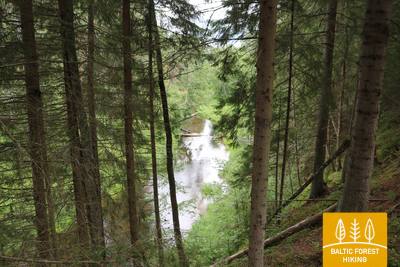
Mežtaka izvijas cauri Valmieras vēsturiskajam centram un Atpūtas parkam, kurā ir vairāki pilsētas apkaimes kājāmiešanas un nūjošanas maršruti, šķērso Vanšu tiltu, ved gar Pauku priedēm un Baiļu kalnu. Pa Abula taku, kas izlokās pa stāvajiem un „mežonīgajiem” upes krastiem, tā aizlīkumo līdz Brenguļu alus darītavai un tālāk, aiz Pūpoliem, jau ved pa mazapdzīvotiem, plašiem mežu masīviem. Šī posma pirmās puses raksturīga iezīme ir mazie vasarnīcu ciemi – Enerģētiķis, Saulītes, Sprīdītis, Gaujmaļi, Pūpoli un Gaujaslāči, kas sāka veidoties padomju laikā kā Valmieras un apkaimes rūpniecības uzņēmumu vasarnīcu rajoni. Pie Ūdriņām Mežtaka izved cauri vecupju labirintam un pagriežas uz ziemeļiem, šķērsojot Gaujas tiltu, pie kura ir atpūtas un laivotāju pieturvieta. No šejienes līdz Strenču centram ir ~ 1,5 km. Daļa no posma atrodas Ziemeļgaujas aizsargājamo ainavu apvidū.
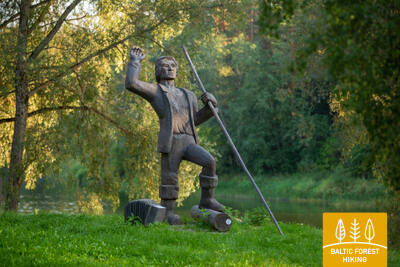
Strenču dabas taka un koka skulptūru parks
Takas tēma ir Gaujas plostnieki, ar aptuveni 30 skulptūrām. Taku var sākt no Ozolu ielas autostāvlaukuma (GPS:57.623436, 25.690133). Tai ir divi loki 5 un 7 km garumā, taču posms, kas piemērots cilvēkiem ar ratiņkrēsliem un asistentu ir salīdzinoši īss. Atrodas 0,7 km attālumā no Mežtakas.


10. posms. Strenči - Spicu tilts.
Cauri skaistajiem Vidzemes sēņu un ogu mežiem
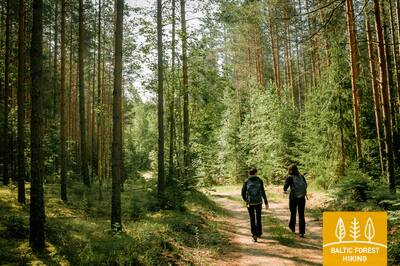
Mežtakas sākums šajā posmā sakrīt ar Gaujas dabas taku, kas ved gar pašu upes krastu. Mežtaka divās vietās (pirms Sedas pagrieziena un Kaučiem) šķērso A3 ceļu (uzmanīgi!) un turpinās pa maziem meža ceļiem, gar smilšu-grants karjeru, bet pie Oliņu pagrieziena izved uz grantēta ceļa. Pēc 3,5 km gājuma pa to atkal jāpagriežas pa labi, un turpmākais maršruts līdz Spicu tiltam ved pa maziem un nomaļiem meža ceļiem, kur aiz t. s. Zemās salas atrodas viens no skaistākajiem aizsargājamo ainavu apvidus „Ziemeļgauja” skatiem. Posma galapunktā, kur ceļš P24 šķērso Spicu tiltu, ir izveidota atpūtas vieta un ūdenstūristu apmetne.
Atpūtas vieta pie Spicu tilta
Atpūtas vieta, kas atrodas pie Mežtakas, ir pieejama cilvēkiem ar ratiņkrēsliem. Ir izveidoti speciāli galdi, pielāgota WC.


11. posms. Spicu tilts - Zaķi.
Pa ainavisko Cirgaļu kāpu apgabalu
Mežtaka šķērso Spicu tiltu un aizlokās līdz četriem Kokšu ezeriem (ap 4 km), ko virknē savieno mazs strauts. To apkaimē ir izveidotas atpūtas un telts vietas un dabas izziņas taka. Te ir skaistas ainavas un lieliski sēņu meži. Aiz pēdējā no Kokšu ezeriem – Dibena ezera – pēc pusotras līdz divu stundu gājiena nokļūstam Cirgaļu kāpu masīvā, ko šķērsojam ziemeļu–dienvidu virzienā. Arī tālākais Mežtakas posms šķērso lielu mežu apgabalu, kur redzama kāda savrupa viensēta vai mazs ezeriņš. Posms beidzas mazā ciematā ar nosaukumu Zaķi, kur nav pakalpojumu, tādēļ, plānojot gājienu, ir jāpārdomā loģistika un nakšņošanas iespējas. Posms atrodas aizsargājamo ainavu apvidū „Ziemeļgauja”.
Atpūtas vieta pie Spicu tilta
Atpūtas vieta, kas atrodas pie Mežtakas, ir pieejama cilvēkiem ar ratiņkrēsliem. Ir izveidoti speciāli galdi, pielāgota WC.
22. posms. Ristipalo – Mehikorma (Mehikoorma).
Cauri Peipusa polderu pļavām
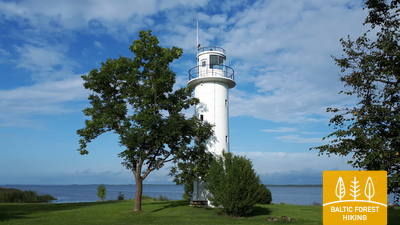
Gandrīz pusi no maršruta posma Mežtaka iet pa taisnajiem Peipusa ezera (Peipsi järv) zemienes polderu ceļiem. Polderi veidoti, lai apkaimes zemes pasargātu no applūšanas pavasara palos. Līdzenās polderu pļavas izmanto lauksaimniecībā un lopu ganīšanā. Posmā no Nahas (Naha) līdz Mehikormai Mežtaka iet gar Repinas (Räpina)–Mehikormas autoceļa malu. Pie Mehikormas bākas vērojamas skaistas Lemmijerva (Lämmijärv) ezera ainavas. Šis ezers ir sašaurinājums starp Pleskavas (Pihkva) un Peipusa ezeriem. Otrpus Lemmijervam (1,7 km) ir redzama Krievija.
Mehikormas ostas krasta promenāde
Starp Mehikormas ostu un bāku ir izveidota dabas taka un promenāde, kas iepazīstina ar Peipusa ezera piekrasti 1,3 km garumā. Daļa no tās - promenāde un dēļu laipu maršruts ir veicama cilvēkiem ar ratiņkrēslu asistenta pavadībā. Atrodas blakus Mežtakai.
23. posms. Mehikorma (Mehikoorma) – Lēniste (Lääniste).
Apkārt Emajē-Sūrso (Emajõe-Suursoo) mitrājam
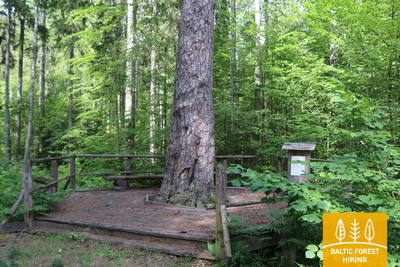
Posms pilnībā attaisno Mežtakas nosaukumu, jo trīs dienas jāiet apkārt vienam no lielākajiem Igaunijas mitrājiem – Emajē-Sūrso mitrājam, kura apkārtni klāj plaši mežu apgabali. Vienīgā apdzīvotā vieta starp Jēpera (Jõepera) un Ahjas (Ahja) upi ir mežu ieskautā Jervselja (Järvselja). Reljefs ir līdzens, jo Mežtaka joprojām ved pa Peipusa (Peipsi) zemieni. Galapunkts atrodas pie Ahjas upes, kuras vidustece pazīstama ar ainaviskajiem devona perioda smilšakmens atsegumiem un iecienītu laivu maršrutu.
Mehikormas ostas krasta promenāde
Starp Mehikormas ostu un bāku ir izveidota dabas taka un promenāde, kas iepazīstina ar Peipusa ezera piekrasti 1,3 km garumā. Daļa no tās - promenāde un dēļu laipu maršruts ir veicama cilvēkiem ar ratiņkrēslu asistenta pavadībā. Atrodas blakus Mežtakai.
25. posms. Kavastu – Varnja.
Ceļā uz Varnjas vecticībnieku ciemu
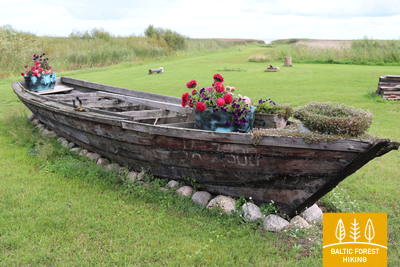
Mežtaka jau trešo dienu met lielu loku apkārt Emajē-Sūrso (Emajõe-Suursoo) mitrājam (ietilpst dabas liegumā Peipsivēre (Peipsiveere)). Iešanai interesantākā ir šī posma daļa starp Vanausaija (Vanaussaia) un Varnju, kur Mežtaka iet pa maziem lauku ceļiem. Pirms Varnjas tā sasniedz Peipusa ezera (Peipsi järv) krastu, kur beidzot var apjaust ezera lielumu. Tālāk no Varnjas līdz Remniku seko nedēļu ilgs gājiens gar Peipusa piekrasti un tā tuvāko apkārtni, kura laikā gājējs iepazīst Austrumigaunijas tradicionālo kultūru – sīpolu audzēšanu un zvejniecību, kulināro mantojumu, amatniecību un vecticībnieku reliģiskās tradīcijas.
Emajē (Emajõe) mācību taka
Pie Emajegi-Suursoo centra sākas 3 km garā taka, kas ved pa mežainu apvidu un mitrāju Emajegi upes krastā. Koka laipu taka no tās sākuma līdz otrā ugunskura vietai 700 m garumā ir pielāgota cilvēkiem ratiņkrēslā. Takas platums šajā posmā - 1,2 m. Autostāvlaukums atrodas šeit: GPS: 58.382315, 27.105629. Atrodas ap 2,6 km attālumā no Mežtakas.


35. posms. Vasavere - Toila.
Ceļā uz klinšaino Ziemeļigaunijas krastu pie Toilas
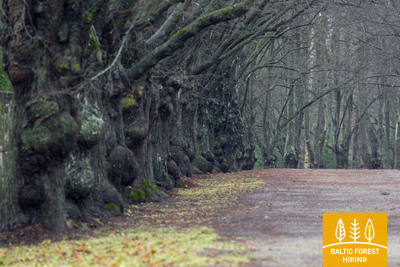
Aiz Vasaveres Mežtaka vēl īsu brīdi izlokās pa Kurtnas aizsargājamo ainavu apvidu, apjož kūdrā izstrādātu purvu masīvu, šķērso Oru pilsētu un, apmetusi loku apkārt Vokas upes ielejai, nonāk pie Baltijas jūras, kur pagriežas uz rietumiem. Šeit, Somu līča krastā, paceļas t. s. Ziemeļigaunijas glints – stāva, klinšaina un ar mežu apaugusi kāple, kas ar īsākiem vai garākiem pārtraukumiem stiepjas līdz Tallinai un tālāk līdz Rietumigaunijas salām. Mežtaka iet pa glinta augšpusi, nolaizdamās upju ielejās. Toilas-Oru parkā tā šķērso dziļo un plašo Pihajegi (Pühajõgi) ieleju un nonāk Toilā – populārā piekrastes kūrortā.
Toilas - Oru parks
Parku daļēji var iepazīt ar ratiņkrēslu no Karu vārtu stāvlaukuma tālāk gar liepu aleju. Parku caurauž g.k. grantētu celiņu tīkls. Apkaimes reljefa dēļ ir nepieciešams asistents. Ar ratiņkrēslu nav piekļuve dīķim un Hebeallika (Hõbeallika) avota alai. Mežtaka šķērso Toilas - Oru parku. Autostāvvlaukums, GPS: 59.418662, 27.531208.


36. posms. Toila - Saka.
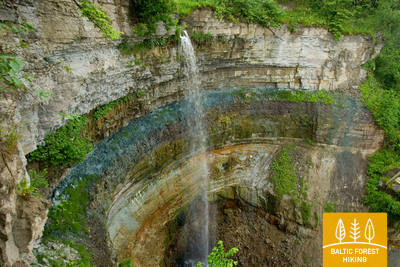
Ainaviskā Ziemeļigaunijas glinta daļa starp Toilu un Saku
Viens no neparastākajiem Ziemeļigaunijas Mežtakas posmiem, kas piemērotos laika apstākļos ved pa iespaidīgā Ziemeļigaunijas glinta pakāji, bet Valastes un Sakas ciemos paceļas glinta augšpusē, atklādams skaistas ainavas uz Somu līci no t. s. Viru pacēluma. Sakas – Ontikas – Toilas posmā (ap 23 km garš) Ziemeļigaunijas glinta maksimālais augstums sasniedz 55 m. Skaidrā laikā no Ziemeļigaunijas glinta malas var redzēt 50 km attālās salas – Lielo un Mazo Tītarsāri (Suur Tütarsaar; Väike Tütarsaar), kas pieder Krievijai.
Toilas - Oru parks
Parku daļēji var iepazīt ar ratiņkrēslu no Karu vārtu stāvlaukuma tālāk gar liepu aleju. Parku caurauž g.k. grantētu celiņu tīkls. Apkaimes reljefa dēļ ir nepieciešams asistents. Ar ratiņkrēslu nav piekļuve dīķim un Hebeallika (Hõbeallika) avota alai. Mežtaka šķērso Toilas - Oru parku. Autostāvvlaukums, GPS: 59.418662, 27.531208.
41. posms. Eisma - Oandu.
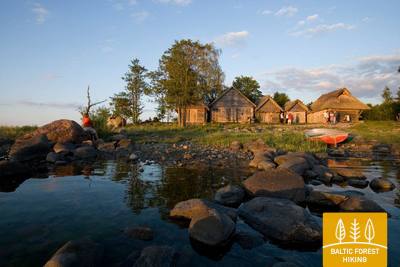
Pa Lahemā nacionālā parka takām
Aiz Vainupea ciema Mežtaka šķērso pirmā Igaunijas nacionālā parka – Lahemā (Lahemaa), kas tulkojumā no igauņu valodas nozīmē “Līču zeme”, – robežu. Kopā piecas ar pusi dienas Mežtaka turpmāk met lokus pa pussalām un līčiem izroboto Lahemā Nacionālā parka piekrasti, iepazīstinot ar tā nozīmīgākajām dabas un kultūrvēsturiskajām vērtībām. Nacionālajā parkā ir jāievēro iekšējās kārtības noteikumi. Šajā dienā Mežtaka iet pa skaistiem un klusiem piekrastes mežiem, kur rudenī bagātīgi aug sēnes. Tā šķērso ainavisko Altjas zvejniekciemu. Posma noslēgumā – Oandu – atrodas Igaunijas valsts mežu (RMK) apmeklētāju centrs, kur var iegūt informāciju par mežu biotopiem un mežu apsaimniekošanas tradīcijām.
Sagadi - Oandu meža pasaku taka
Taka 5,6 km garumā savieno Oandu apmeklētāju centru ar Sagadi muižu Lahemā Nacionālajā parkā. Pirmie takas 3 km ir pielāgoti cilvēkiem ratiņkrēslā. Takas sākums ir pie Oandu apmeklētāju centra, kur ir autostāvlaukums (GPS: 59.565440, 26.099671) un pielāgota WC. Atrodas pie Mežtakas.


42. posms. Oandu – Kesmu (Käsmu).
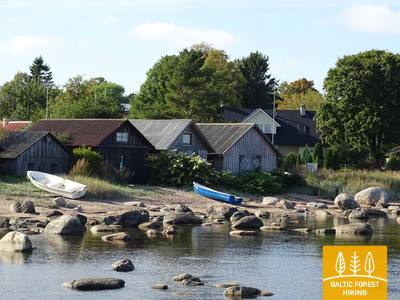
Kesmu kapteiņu ciems un burinieku būves vieta
Posmā no Oandu līdz Vesu (Võsu) Mežtaka ap 9 km garumā ved pa skaistu, mežiem klātu iekšzemes kāpu apvidu, kur uz priedēm vietām redzamas sveķu ieguves ailes. Sveķus Baltijas valstīs šādā veidā ieguva līdz pat 20. gs. 60.–70. gadiem. Koki ir bagātīgi apauguši ar ķērpjiem, kas liecina, ka gaiss ir tīrs. Rudenī takas malas izrotās sēnes un mellenes. Izmetusi loku cauri Vesu (Võsu) ciemam (populārs kūrorts), Mežtaka pa skaistu piekrastes mežu promenādi aizved līdz Kesmu ciemam. Ir vērts aiziet līdz kilometru attālajiem Vanajiri (Vana-Jüri) akmeņiem pussalas galā un izstaigāt Kesmu vēsturiskās vietas.
Sagadi - Oandu meža pasaku taka
Taka 5,6 km garumā savieno Oandu apmeklētāju centru ar Sagadi muižu Lahemā Nacionālajā parkā. Pirmie takas 3 km ir pielāgoti cilvēkiem ratiņkrēslā. Takas sākums ir pie Oandu apmeklētāju centra, kur ir autostāvlaukums (GPS: 59.565440, 26.099671) un pielāgota WC. Atrodas pie Mežtakas.
45. posms. Loksa - Tsitre.
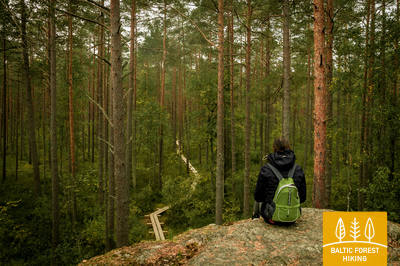
Cauri Jumindas pussalas mežiem un purviem
Šajā dienā Mežtaka šķērso Jumindas pussalu. Pametusi Loksu, Mežtaka pēc 7 km pagriežas garām padomju laiku militārajam objektam – Haras zemūdeņu ostai. Lai apmeklētu ostu (ieeja par maksu), ir jānoiet vēl 2 kilometri. Tālāk Mežtaka šķērso izcili skaistu mežu un purvu apgabalu, kura rietumu galā slejas augstas, mežiem apaugušas smilšu kāpas. Tālākajā posmā no Pedaspea līdz Tsitrei tā seko ceļa malai, pirms Tsitres pietuvojoties nelielam Ziemeļigaunijas glinta posmam, kura ziemeļgalā atrodas Mūksi (Muuksi) pilskalns. Tsitres atpūtas vieta atrodas 0,2 km attālumā no jūras.
Viru purva dabas taka
3,5 km garumā iepazīstina ar augsto purvu un tam raksturīgo ainavu, bioloģisko daudzveidību. Posms līdz tornim 1,3 km garumā ir pieejams cilvēkiem ar ratiņkrēslu un asistentu. Tāpat pieejama skatu torņa pirmā platforma un sausā tualete. Atrodas aptuveni 10 km attālumā no Mežtakas.


Tsitres koku taka
Kilometru garā taka iepazīstina ar Tsitres vasaras muižas parka un apkaimes vēsturi un bioloģisko daudzveidību. Tā ir aprīkota ar 29 infopunktiem. Ap 150 m garumā ir izveidotas līdz metru platas laipas, kas pieejamas cilvēkiem ratiņkrēslā. Ir pielāgota WC. Takas sākums ir pie autostāvlaukuma (GPS: 59.518268, 25.510726). Atrodas pie Mežtakas.


46. posms. Tsitre – Kabernēme (Kaberneeme).
Smilšainie liedagi un salas Kolgas līcī
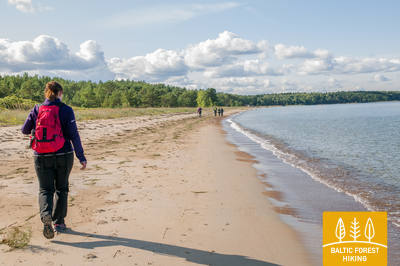
Pie Tsitres ciema jau vikingu laikā atradusies osta. Mežtakas šī posma pirmie 4 km atrodas Lahemā (Lahemaa) Nacionālā parka teritorijā. Starp Mūksi (Muuksi) un Sorinnas (Soorinna) ciemiem ceļš šķērso ovālu platoveida pauguru – Ziemeļigaunijas glinta pacēlumu, ko klāj ainaviski kadiķu lauki. Pie Pihja (Põhja) ciema taka apmet loku piekrastes mitrājam un aiz Salmistu laivu ostas iznāk jūras krastā. No šejienes ziemeļaustrumos labi redzama 1,3 km attālā Pedasāres (Pedassaar) sala, bet ziemeļaustrumos – mazā Umblu un nedaudz lielākā Rohusi sala. Pie Valklas pludmales gājējus priecē jauks pludmales restorāns. Hāpses (Haapse) pludmalē ir peldvieta, kur jūra strauji kļūst dziļa.
Tsitres koku taka
Kilometru garā taka iepazīstina ar Tsitres vasaras muižas parka un apkaimes vēsturi un bioloģisko daudzveidību. Tā ir aprīkota ar 29 infopunktiem. Ap 150 m garumā ir izveidotas līdz metru platas laipas, kas pieejamas cilvēkiem ratiņkrēslā. Ir pielāgota WC. Takas sākums ir pie autostāvlaukuma (GPS: 59.518268, 25.510726). Atrodas pie Mežtakas.
49. posms. Mūga (Muuga) – Pūnsi (Püünsi).
Pa teiksmaino Vīmsi (Viimsi) pussalu
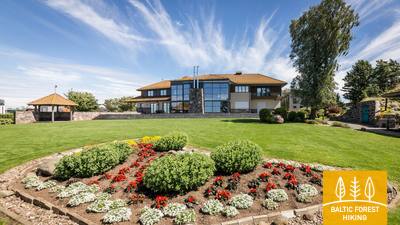
Mežtaka iziet cauri Vīmsi pussalas mežainākai daļai, kurā izveidotas vairākas aizsargājamas dabas teritorijas. Rohunēmes (Rohuneeme) apkaimē tā šķērso bijušo padomju laiku militāro teritoriju. Šajā dienā Mežtaka iet galvenokārt pa gājēju ietvēm un gar ceļiem, kas caurauž pussalu. Pūnsi ciemā tā pagriežas uz dienvidiem, kur jau pāri Tallinas līča ūdeņiem redzami Tallinas vecpilsētas torņi, augstceltnes un osta ar prāmjiem, kas savieno Tallinu ar Helsinkiem.
Tedu (Tädu) dabas taka
3,1 km garā taka iepazīstina ar mežsaimniecības tradīcijām. Takas segums visā garumā ir grants un tā pieejamas cilvēkiem ratiņkrēslā. Ir autostāvlaukums (GPS: 59.520475, 24.895883). Atrodas pie Mežtakas.


50. posms. Pūnsi (Püünsi) – Tallina.
Skaistākie skati uz Tallinas vecpilsētu
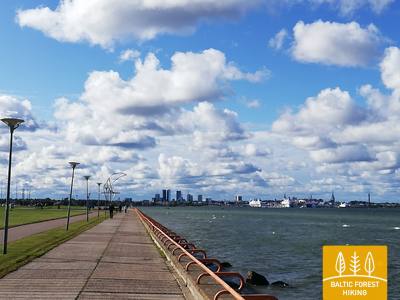
Mežtaka iet gar Tallinas līča krastu, kur jau no Pūnsi paveras skaisti skati uz vecpilsētas torņiem, ostu un pilsētas augstceltnēm. Pirms Piritas (Pirita) Mežtaka izlokās pa skaistu priežu mežu un tālāk ved gar jūras krastu pa 2 km garu smilšainu pludmali. Aiz Piritas līdz pat Tallinas ostai Mežtaka aizved pa skaisto pilsētas krasta promenādi, no kuras redzami nozīmīgi pilsētas kultūras un vēstures objekti un baudāmi jūras un ostas skati. Mežtakas finišs atrodas Tallinas ostā, kurai blakus atrodas Tallinas vecpilsēta. Tās apskatei vēlams atlicināt vismaz vienu vai divas atsevišķas dienas.
Piritas promenāde
Ap 3 km garā, labiekārtotā promenāde savieno Tallinas ostas rajonu ar Piritu. Tā visā garumā iet gar jūras krastu. Tai ir izveidots segums velobraucējiem, aktīvās atpūtas cienītājiem. Visā garumā pieejama cilvēkiem ar ratiņkrēslu. Piritas pludmalē ir pieejami peldrati, ģērbtuve un koka rampa, pa kuru var piekļūt līdz ūdenim. Pakalpojums jārezervē iepriekš: +372 5425 0424. Piritas promenāde sakrīt ar Mežtaku.


59. posms. Panemunis – Birštonas.
Nemunas loki un etnogrāfiskas viensētas
Sekojot Nemunas loku līkumiem, Mežtaka izmet vairāk kā 20 km garu cilpu Nemunas loku reģionālajā parkā, izvijoties cauri atklātām ainavām un maziem ciemiem ar raksturīgām, dažādos toņos krāsotām koka ēkām. Lielāks meža masīvs ir tikai starp Sipoņu un Puzonys ciemiem, kuram cauri Mežtaka izved pa nelieliem meža ceļiem. Šķērsojusi Vilnius–Marijampolė ceļu (A16), Mežtaka nolaižas nākamajā Nemunas lokā (upes platums šaurākajā vietā – 1,2 km), kur atrodas iecienītais Birštonas kūrorts. Pa B. Sruogos ielas ietvi Mežtaka sasniedz Birštonas tūrisma informācijas centru.
Birštonas Nemunas krasta promenāde un gājēju celiņš
Aiz Birštonas tūrisma informācijas centra Mežtaka vairāk kā 1 km ved gar Nemunas krasta promenādi, tad nogriežas uz Algirdo ielas, šķērso Vītauta Jurģa Meškas parku, atkal atgriežas uz promenādes un pēc 0,6 km nogriežas uz gājēju-veloceliņa. Celiņš aptuveni 5 km garumā šķērso Žvėrinčiaus mežu, tālāk gājēju taka izved cauri Paprienės rekreācijas zonai, sasniedzot Greimų tiltu pāri Nemunas upei. Promenāde un gājēju celiņš gandrīz visā garumā pieejams cilvēkiem ar ratiņkrēslu. Segums ir g.k. asfalts, Prieņos (Prienai) - grants segums. Sakrīt ar Mežtaku.
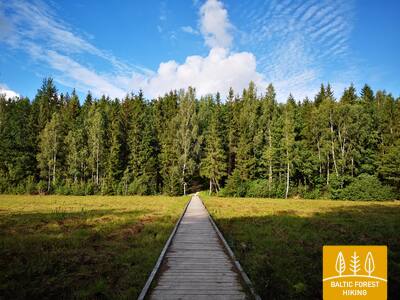
83. posms. Paplatelė – Plateliai.
Apkārt lielākajiem ezeriem Žemaitijas Nacionālajā parkā
Pirmos 3,5 km Mežtaka ved pa skaistiem mežiem, kas klāj Žemaitijas augstienes paguru nogāzes. Līdz Aukstā kara muzejam tā sakrīt ar Plokštines izziņas taku. No muzeja Mežtaka 5 km garumā seko Plokštinės ceļam, kur izveidots gājēju/veloceliņš un, tuvojoties Plateļu ezeram, nolaižas ezera ieplakā. Pie ceļa Nr. 3202 (Malūno iela) Mežtaka pagriežas pa kreisi uz dienvidaustrumiem un tūlīt pēc 0,3 km seko pagrieziens pa labi uz dienvidiem - dienvidrietumiem. Pēc aptuveni 0,5 km tā sasniedz Ilgio Ežero ielu. Nākamo 5,5 km garumā Mežtaka apmet plašu loku apkārt Iļģa un Beržoras ezeriem, sasniedzot Beržoras ciemu. Aiz ciema, virzoties pa Plungės ielu pēc 2 km Mežtaka sasniedz Plateļu pilsētas centru un pa Ežero ielu izmet vēl vienu loku līdz pludmalei un Šeireės izziņas takai. Tālāk pa Ežero, Naujoji un Žemaičių Kalvarijos ielām Mežtaka atgriežas pilsētas centrā.
Šeires izziņas taka
Takas garums ir ap 7 km, taču cilvēkiem ar ratiņkrēslu ir pieejama takas skatu platforma ar skatu uz Plateļu ezeru un tā salām. Plateļi atrodas Žemaitijas Nacionālajā parkā. Uz informācijas stenda ir taktīla ezera kontūra ar salām, kas ļauj to iepazīt cilvēkiem ar redzes ierobežojumiem. Autostāvlaukums ir izvietots šeit: GPS 56.048355, 21.826901. Atrodas blakus Mežtakai.


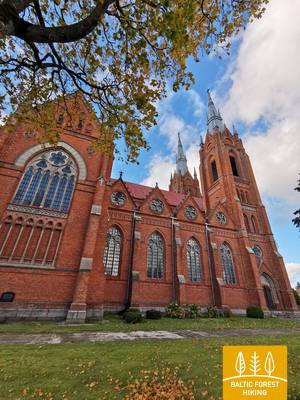
84. posms. Plateliai – Salantai.
Ceļā uz Piejūras zemieni
Mežtaka 6 km iet pa Plateliai–Salantai (Nr. 2302) ceļa nomali. Šajā posmā skatam paveras Žemaitijas augstienes rietumdaļas ainavas pāri Piejūras zemienei. Gintališkes ciema centrā Mežtaka pagriežas pa kreisi uz dienvidrietumiem, nonākot uz ceļa Nr. 3216. Pēc 2,4 km tā pagriežas pa labi uz rietumiem, kur šķērso šajā posmā lielāko meža masīvu. Padomju laikā šeit atradās raķešu bāze, par ko liecina ar betona plāksnēm noklātais ceļš. Tālāk Mežtaka īsu brīdi seko Plungė–Salantai ceļam (Nr. 169) un pēc 1,4 km pagriežas pa kreisi. Līdz pat Salantai tā izlokās pa mazu lauku ceļu, bet mazpilsētas centru sasniedz pa Žemaitės un M. Valančiaus ielām. Šī posma sākums atrodas Žemaitijas Nacionālajā parkā, bet finišs – Salantai reģionālajā parkā.
Šeires izziņas taka
Takas garums ir ap 7 km, taču cilvēkiem ar ratiņkrēslu ir pieejama takas skatu platforma ar skatu uz Plateļu ezeru un tā salām. Plateļi atrodas Žemaitijas Nacionālajā parkā. Uz informācijas stenda ir taktīla ezera kontūra ar salām, kas ļauj to iepazīt cilvēkiem ar redzes ierobežojumiem. Autostāvlaukums ir izvietots šeit: GPS 56.048355, 21.826901. Atrodas blakus Mežtakai.
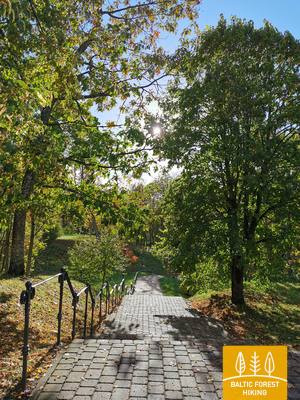
85. posms. Salantai – Mosėdis.
Cauri Salantu reģionālajam parkam
No Salantu mazpilsētas Mežtaka izved pa M. Valančiaus, Padvaralio un Ilgoji ielām. 100 m pirms ceļa Nr. 169 Mežtaka pagriežas pa kreisi uz lauku ceļa, pēc 3,5 km sasniedz Erlos ielu un pagriežas pa kreisi uz rietumiem. Pēc 0,4 km tā pagriežas pa labi uz ziemeļiem un sasniedz Šatramiņu ciemu. Šatramiņos tā pagriežas pa labi – uz dienvidrietumiem, pēc 2,9 km šķērso Salantai–Skuodas ceļu (Nr. 169) un Šaukļu ciemā pagriežas pa kreisi uz ziemeļiem, pēc 3,8 km sasniedzot posma galamērķi – Mosēdi. Posma lielākā daļa, izņemot Šatramiņu apkaimi, ietilpst Salantu reģionālajā parkā.
Šaukļu (Šauklių) dabas taka
2,7 km garā taka iepazīstina ar Salantai reģionālajā parkā esošo ainavu, kas klāta ar laukakmeņiem un kadiķiem, biodaudzveidību. Segums - iestaigāta taka, dēļu laipas. Dēļu laipu daļa ir pieejama cilvēkiem ratiņkrēslā. Par ierašanos iepriekš ir jāpaziņo, lai apsaimniekotājs atvērtu nožogojumu. Autostāvlaukums ir izvietots šeit: GPS 56.125202, 21.592115. Atrodas 1,2 km no Mežtakas.

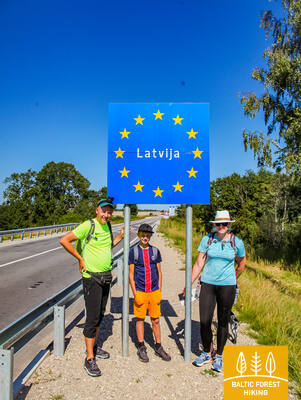
87. posms. Lietuvas – Latvijas robeža – Gramzda.
Pa Vārtājas viļņoto līdzenumu
Lietuvas–Latvijas robežu dabā iezīmē Apšes upe, kuru Mežtaka šķērso, pa Skuodas–Priekules ceļa (P114) tiltu ienākot Latvijā. Mežtaka sākotnēji vijas gar ceļa malu, bet pēc 1,7 km nogriežas uz grantēta ceļa Kalētu virzienā. Sākot no Ozolu ciema apkaimes, skatam paveras Rietumkursas augstienes Vārtājas viļņotā līdzenuma skaistās un plašās ainavas. Ozolos 0,5 km Mežtaka seko ceļam V1217, tad pagriežas pa kreisi un pēc 2 km sasniedz Bārtas–Kalētu–Gramzdas ceļu (V1218), kas aizved līdz posma galamērķim Gramzdā.
Gramzdas mežaparka taka
Ap 2 km gara taka ir izveidota Gramzdas mežaparkā. Tā nav marķēta, segums: grants šķembas, asfalts kā arī vienkārši - iestaigāta taka. Daļēji pieejama cilvēkiem ratiņkrēslos un vecākiem ar bērnu ratiem. Piemērota vieta startam ir autostāvlaukums pie "Aibes" veikala (GPS: 56.369134, 21.604151). Gramzdas pagasta pārvaldē ir pielāgota WC. Gramzdas mežaparku šķērso Mežtaka.


88. posms. Gramzda – Priekule.
Uz nostāstiem bagāto Priekuli
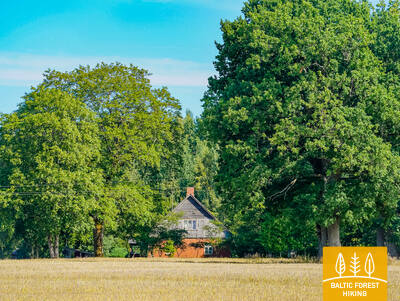
Aiz Gramzdas Mežtaka pa mazām taciņām izlīkumo gar smilšu un grants karjeriem, un pa taisnu ceļu cauri lauksaimniecības ainavai virzās uz ziemeļaustrumiem. Pie Lejasbunču mājām tā pagriežas uz Mazgramzdu. Pirms Mazgramzdas Mežtaka šķērso dziļo un ēnaino Ruņupes ieleju. Aiz Mazgramzdas tā virzās līdztekus Gramzdas–Priekules ceļam (P 114), no kura paveras skaistas Rietumkursas augstienes Vārtājas viļņotā līdzenuma ainavas. Šķērsojusi šo ceļu, tā virzās gar bijušo lidlauku, šķērso Priekules–Purmsātu–Kalēju ceļu (V 1211) un izmet loku cauri nelielam meža pudurim. Gar līkumainās Virgas upītes krastiem Mežtaka izved cauri meža parkam “Priekules Priediens”, no kura redzams šī posma galamērķis.
Gramzdas mežaparka taka
Ap 2 km gara taka ir izveidota Gramzdas mežaparkā. Tā nav marķēta, segums: grants šķembas, asfalts kā arī vienkārši - iestaigāta taka. Daļēji pieejama cilvēkiem ratiņkrēslos un vecākiem ar bērnu ratiem. Piemērota vieta startam ir autostāvlaukums pie "Aibes" veikala (GPS: 56.369134, 21.604151). Gramzdas pagasta pārvaldē ir pielāgota WC. Gramzdas mežaparku šķērso Mežtaka.
91. posms. Aizpute – Snēpele.
Pa barona fon Manteifeļa pēdām
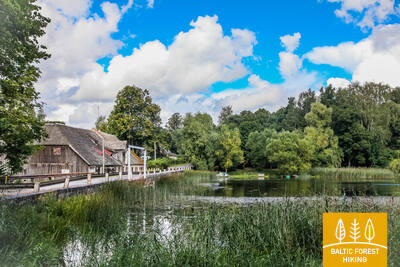
Mežtaka pa Atmodas un Jelgavas ielām izlīkumo cauri Aizputei, aiz Lažas ūdenskrātuves pagriežas pa labi un ar lielu loku pietuvojas Kazdangas muižas parkam no dienvidu puses. Pa mazām taciņām un gar Dzirnavu ezeru tā izved cauri muižas parkam, apkārt muižai un Zēnu dīķim, 0,7 km turpinās pa Kazdangas–Cildu ceļu (V1200) un tad pagriežas pa labi uz Snēpeles–Kazdangas (V1296) ceļa. Līdz lauku mājai “Zemturi” Mežtaka pamazām paceļas Rietumkursas augstienes Bandavas paugurainē, atklādama skaistus skatus abos virzienos. Reljefa augstums šeit maksimāli sasniedz ap 81 m vjl. No “Zemturiem” Mežtaka aptuveni 12 km ved caur mazapdzīvotu mežu masīvu un tikai pēdējos 3 km atkal iznāk klajākā apvidū ar lauksaimniecības zemēm un viensētām, sasniedzot Snēpeli.
Kazdangas parka dabas takas
Kazdangas parks dendroloģiskā ziņā ir viens bagātākajiem Latvijas muižu parkiem. Parku caurauž blīvs taku tīkls līdz 9 km garumā. Taku segums - grants šķembas, iestaigātas takas, koka laipa. Izvietotas norādes zīmes uz apskates objektiem. Izveidots autostāvlaukums, no kura var sākt parka apskati (GPS: 56.732242, 21.733626). Parka takas pieejamas cilvēkiem ratiņkrēslā ar asistentu. Ērtas vecākiem ar bērnu ratiem. Ir pielāgota WC. Kazdangas parku šķērso Mežtaka.


92. posms. Snēpele – Kuldīga.
Uz Kuldīgu – šarmantāko Kurzemes viduslaiku pilsētu
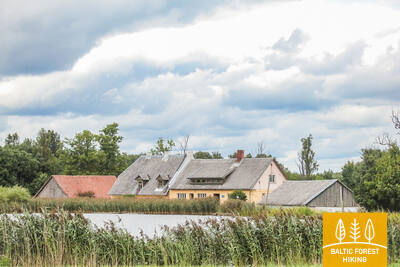
Pa Snēpeles galveno ielu Mežtaka izved uz ceļa V1294 un jau pēc 0,3 km iepretī Ķepšu ezeram nogriežas pa labi uz neliela lauku ceļa. Pa šo ceļu Mežtaka aizlīkumo līdz Slipiņciemam, pirms tā pa dambi šķērsojot Sprincupi, uz kuras izveidots dīķis. Tālāk Mežtaka dodas Pelču virzienā. Pelču apkaimē taka izlokās gar Dambu dīķiem, izved uz Kuldīgas–Pelču ceļa (V1293) un tālāk stiepjas cauri Kuldīgas dārziņu rajoniem – Kurzemītei un Rumbai, līdz sasniedz Ventas krastu un Kuldīgas apvedceļu. No tā līdz pat Senajam ķieģeļu tiltam Mežtaka 2,4 km garumā ved pa skaistu Ventas krasta taku, kur mitrākās vietās un pāri strautiem ir koka tiltiņi un laipas.
Pastaigu taka gar Ventu Kuldīgā
Taka vijas gar Ventas kreiso krastu no Kuldīgas pilsētas dārza līdz Kuldīgas jaunajam tiltam 2,4 km garumā. Tās malā ir izvietotas atpūtas vietas un informācijas stendi. Taka ir ērta cilvēkiem ar ratiņkrēslu, jo tās virsma ir līdzena – tā sastāv no smalkas, cietas grants, tomēr dažās vietās tā izejama tikai ar asistenta palīdzību tās slīpuma dēļ. Taka ir plata un vietās, kur to šķērso mazu strautu gravas, tiem pāri ir izveidotas koka laipas un tiltiņi. Mežtaka šajā posmā ved pa Kuldīgas pastaigu taku. Ir pielāgotas WC. Ir izveidots autostāvlaukums: 56.973354, 21.977798.
2024. g. ir izveidots audiogids "Pa Mežtaku cauri Kuldīgai cilvēkiem ar redzes traucējumiem, kas sākas pie Kuldīgas skatu torņa, šķērso veco ķieģeļu tiltu pāri Ventai un palīdz iespazīt Kuldīgas pastaigu taku gar Ventu. Skatu tornī un pie tā informācija ir izvietota Braila rakstā. Ir izveidots autostāvlaukums: 56.973354, 21.977798.


Mārtiņsalas dabas taka
Ap kilometru garā taka atrodas t.s. Mārtiņsalā un iepazīstina ar Ventas rumbu. Segums: grants šķembas (1.60 m plata taka) vai dēļu laipa (95 cm) bez samainīšanās laukumiem. Atsevišķi tās posmi ir pieejami cilvēkiem ratiņkrēslā. Ir pielāgotas wc. Autostāvlaukums: 56.970622, 21.980747. Mārtiņsalas dabas taka atrodas blakus Mežtakai.


93. posms. Kuldīga – Renda.
Rendas meži – nacionālo partizānu cīņu vietas
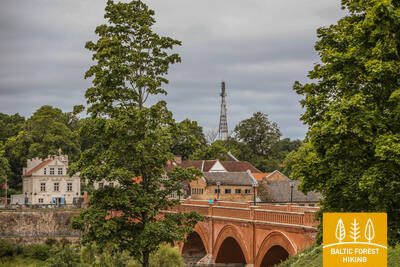
Aiz Senā ķieģeļu tilta pāri Ventai Mežtaka īsu brīdi turpinās pa gravām izroboto Ventas labo krastu, virzās pa Krasta ielu un Vetklīnikas–Palejas ceļu, šķērso Kalnmuižas mežu, Riežupi un tālāk līdz pat Mazrendai turpinās pa plašā Rendas mežu masīva ceļiem. Reljefs šeit ir līdzens, jo posms ietilpst Kursas zemienes Pieventas līdzenumā. Mazrendā Mežtaka šķērso smilšu-grants karjeru un pa Kuldīgas ielu aizved līdz Rendas centram. Posms ietilpst dabas lieguma “Ventas ieleja” un dabas parka “Riežupe” teritorijā.
Mārtiņsalas dabas taka
Ap kilometru garā taka atrodas t.s. Mārtiņsalā un iepazīstina ar Ventas rumbu. Segums: grants šķembas (1.60 m plata taka) vai dēļu laipa (95 cm) bez samainīšanās laukumiem. Atsevišķi tās posmi ir pieejami cilvēkiem ratiņkrēslā. Ir pielāgotas wc. Autostāvlaukums: 56.970622, 21.980747. Mārtiņsalas dabas taka atrodas blakus Mežtakai.
95. posms. Sabile – Kandava.
Viens no skaistākajiem Kurzemes dabas parkiem
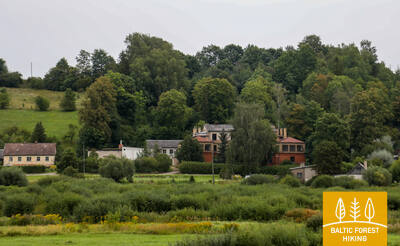
Mežtaka turpinās pa Abavas kreiso krastu – Kr. Barona ielu. Tālāk kā maza taciņa tā šķērso Abavas senlejas pļavas un mežu pudurus, līdz sasniedz pakalnu, ko sauc par Zviedru cepuri. Aiz Zviedru cepures pa mazu lauku ceļu Mežtaka virzās līdz Plostu–Pūces ceļam (V1471), šķērso Amulu un pie Kalnmuižas uzvijas augšup Abavas senlejā, pa kuru nākamos 6 km ved līdz Aizdzires muižas parkam. Vēl 1 km ziemeļu virzienā, un Mežtaka šķērso Abavas senleju visā platumā, atklādama vienus no skaistākajiem senlejas skatiem. Abavas senlejas dziļums šajā vietā ir ap 40 m. Aiz Zvejnieku tilta Mežtaka paceļas senlejas ziemeļu nogāzē, kur sastādīti vīnogu dārzi. Izlīkumojot cauri mežam, tā šķērso Kandavas–Rendas ceļu (P130) un tālāk pa Sabiles ielu sasniedz Kandavu. Pa šīs ainaviskās mazpilsētas Lauku, Ozolu, Zīļu, Sabiles un Pils ielām Mežtaka nonāk līdz Bruņinieku pilskalnam. Visā posma garumā Mežtaka vijas cauri dabas parkam “Abavas senleja”.
Spēļu taka "Pasaku mežs"
Pie kafejnīcas "Plostkrogs" (GPS: 57.020908, 22.645401) ir izveidota speļu taka "Pasaku mežs", kurā bērniem izveidotas dažādas mežu iemītnieku figūras, koka mājiņas u.c. spēles. Takas garums - 1,6 km. Ir daži šķēršļi - koku saknes, ieeja caur koka namiņu, taču asistenta pavadībā cilvēki ratiņkrēslā var iepazīt "Pasaku mežu". Atrodas 1,2 km attālumā no Mežtakas.
96. posms. Kandava – Jaunmokas.
Pūre – vieta, kur ražo šokolādi
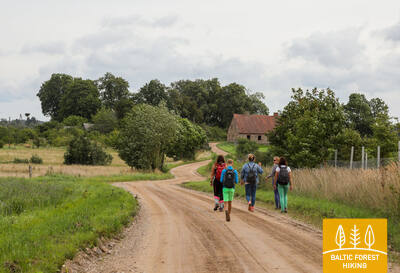
Pa Jelgavas ielu, šķērsodama veco laukakmens tiltu pār Abavu, Mežtaka pa Daigones ielu un tālāk pa grants seguma ceļu aizved līdz 5 km attālajam Daigones ciemam, aiz kura pa Dziļkalnu–Pūres ceļu (V1464) nolaižas Abavas senlejā. Aiz tilta pār Abavu Mežtaka pagriežas pa labi un pa mazu taciņu sasniedz Pūri. Apmetusi loku Pūres muižai, tā pa Zemeņu ielu un Pūres–Jaunsātu (C004) ceļu nākamos 5 km aizstiepjas līdz Galciemam. Šeit apkaimes karjeros iegūst smiltis un granti. Galciemā Mežtaka nogriežas pa kreisi uz neliela grants seguma ceļa (C003), kas pēc 3,5 km savienojas ar Jaunmoku–Jaunsātu ceļu (V1444). Vēl pēc 3 km Mežtaka šķērso Rīgas–Ventspils šoseju un pa maziem, koku aleju ieskautiem celiņiem sasniedz Jaunmoku pili. Tuvojoties pilij no Jaunsātu puses, ap Mežtaku ir redzamas skaistas, plašas ainavas, kur Austrumkursas Spārnenes viļņotais līdzenums mijas ar Vanemas pauguraini.
Čužu purva dabas taka
Lokveida taka Čužu purvā iepazīstina ar vienīgo krūmu čužas savvaļas atradni, kaļkainu purvu un bijušo sēravotu kūrorts. Cilvēkiem ratiņkrēslā pielāgots apmēram kilometru garš koka laipu posms ar apmalīti. Laipas ar speciāli izveidotu autostāvlaukumu (GPS: 57.026431, 22.785473) un pielāgotām WC savieno šķembām klāts ceļš ap 0,5 km garumā. Dažviet esošā slīpuma dēļ nepieciešams asistents. Atrodas ap 0,8 km attālumā no Mežtakas.


Jaunmoku pils taka
Iepazīstina ar muižas kompleksu un parku aptuveni 1,5 km garumā. Pieejama cilvēkiem ar ratiņkrēslu. Takas segums - asfalts, bruģis, grants šķembas. Autostāvlaukuma GPS: 56.982423, 23.053098. Ar zvana pogas palīdzību var izsaukt pils darbiniekus, as palīdzēs nokļūt ēkā un apskatīt to no iekšpuses. Atrodas blakus Mežtakai. Ir pielāgotas WC.


97. posms. Jaunmokas – Tukums.
Uz Tukumu pēc smukuma!
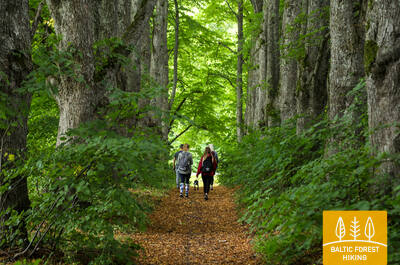
Jaunmoku pils apkaimē priecē Austrumkursas augstienes Vanemas pauguraines skaistās ainavas. Mežtaka nolīkumo lejup līdz Bēru ūdensdzirnavām un tālāk līdz pat Vecmokām trīs kilometru garumā paceļas par aptuveni 50 m, atklādama skaistas ainavas uz plašo Slocenes ieleju dienvidos. Aiz Vecmoku muižas alejas Mežtaka šķērso Tukuma–Lazdas ceļu (V1442), apmet loku viensētu pudurim un pa taisnu meža stigu dodas dienvidaustrumu virzienā gar Sekļa ezeru. Ezeram var piekļūt pa mazām taciņām. "Sveikuļu" apkaimē maršruts turpinās pa skaistām meža takām un pie Ozoliņu kapiem iznāk uz Tukuma–Ķesterciema–Kolkas ceļa (P131), kur sākas Tukuma pilsēta. Pa Raudas, Kurzemes, Meža un Melnezera ielām Mežtaka sasniedz Saules kalnu.
Jaunmoku pils taka
Iepazīstina ar muižas kompleksu un parku aptuveni 1,5 km garumā. Pieejama cilvēkiem ar ratiņkrēslu. Takas segums - asfalts, bruģis, grants šķembas. Autostāvlaukuma GPS: 56.982423, 23.053098. Ar zvana pogas palīdzību var izsaukt pils darbiniekus, as palīdzēs nokļūt ēkā un apskatīt to no iekšpuses. Atrodas blakus Mežtakai. Ir pielāgotas WC.
99. posms. Jāņukrogs – Bigauņciems.
Cauri Ķemeru Nacionālajam parkam
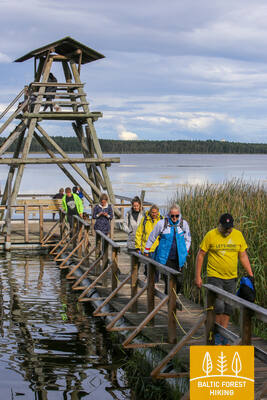
Šķērsojusi apvidu ar dažām viensētām, Mežtaka izlīkumo cauri skaistiem skujkoku mežiem un tālākos 6,5 km gar Čaukciemu līdz pat pagriezienam uz Zaļo kāpu ved pa Antiņciema–Smārdes ceļa malu. Apkaime ir līdzena, jo posms ietilpst Piejūras zemienes Engures līdzenumā. No Zaļās kāpas paveras plaši skati uz Zaļo un Raganu purvu. Nelielais meža ceļš izlokās gar kāpas apakšējo daļu un divās vietās purvu šķērso pa koka laipām. Ķemeros Mežtaka virzās gar Partizānu, Robežu, A. Upīša, Katedrāles un E. Dārziņa ielām, gar Meža māju un Vēršupīti, kurā ieplūst sēravotu ūdeņi. Šķērsojot Tūristu ielu, tā turpinās pa Dūņu ceļu līdz Slokas ezeram. Tālāk Mežtaka šķērso Vēršupītes dumbrājus, kas ir vieni no izcilākajiem mitro mežu biotopiem visā Mežtakas Kurzemes daļā. Pie Melnezera tā pagriežas uz Vecā Ķemeru ceļa un pēc 2 km nonāk Bigauņciemā. Aiz Talsu šosejas (P128) Mežtaka sasniedz Rīgas jūras līča krastu un savienojas ar Jūrtaku. Mežtaka visā posma garumā ved cauri Ķemeru Nacionālajam parkam (ĶNP).
Melnalkšņu dumbrāja laipa
Atrodas pie Ķemeru Nacionālā parka apmeklētāju centra un iepazīstina ar vienu no parkam raksturīgajiem biotopiem - mitrajiem mežiem. 0,6 km garā laipu taka ir pacelta uz koka pāļiem un šķērso dumbrāju, kas pavasarī applūst. Laipa ir 1,2 m plata bez samainīšanās laukumiem, tādēļ jāievēro pārvietošanās virziens. Pieejama cilvēkiem ratiņkrēslos ar asistentu. Takas sākumā un beigās - šķembu segums un asfalts. Ir pielāgota WC, autostāvlaukuma GPS: 56.951980, 23.512914. Atrodas pie Mežtakas. Pēc 2024. g. vasaras vētras tiek atjaunota.


100. posms. Bigauņciems - Dubulti.
Latvijas populārākā kūrortpilsēta un galvaspilsēta
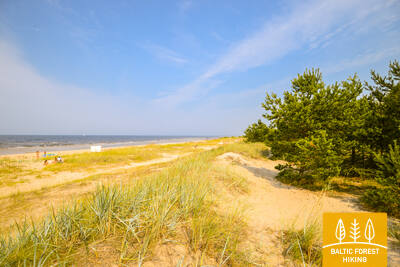
No Bigauņciema labi redzams Jūrmalas krasts visā tā garumā. Šīs dienas posma daļa ietilpst Ķemeru Nacionālajā parkā. No Jaunķemeriem līdz pat Dubultiem gājiens norit pa Rīgas jūras līča platāko smilšu pludmali, cauri Jūrmalas vēsturiskajam kūrortam un Latvijas garākajai pilsētai. Skaistās un siltās vasaras dienās jārēķinās ar daudzajiem pludmales apmeklētājiem.
Kupskalnu dabas taka
Puskilometra garumā virzās gar Siliņupes labo krastu un no Slokas - Talsu ceļa aizved līdz jūrai. Tā ir daļēji pieejama cilvēkiem ratiņkrēslos ar asistentu, jo takas sākumā var traucēt koku saknes. Tālākā takas daļa (platas laipas ar izmainīšanās laukumu) ir izbraucamas. Daļēji pieejama WC. Gājienu var sākt no netālu esošās DUS (GPS: 56.992203, 23.522736).


Jūrmalas pilsētas pludmales
Jūrmalas pilsētas pludmales ir pieejamas arī cilvēkiem ar funkcionāliem traucējumiem - ratiņkrēslos un senjoriem. Ratiņkrēsliem Jūrmalā ir pielāgotas 14 izejas uz jūru (36.līnijā, Vienības prospekts (2.izejas) , Turaidas ielā (2 izejas), Pilsoņu ielā, Baznīcas ielā, Kļavu ielā, Līgatnes ielā, Dzimtenes ielā, Vēju ielā, Atbalss ielā, Kapteiņa Zolta ielā, Jaunķemeru ceļš, kur noejas līdz pludmalei, ņemot vērā segumu un reljefu, ir piemērotas gan cilvēkiem ar funkcionāliem traucējumiem, gan cilvēkiem ar bērnu ratiņiem), bet četrās vietās - Vaivaros, Kauguros, Jaunķemeros un Jaundubultos ir pieejamas paplašinātas, ērtākas pārģērbšanās kabīnes.
101. posms. Dubulti - Lielupe - Bulduri.
Populārākās Latvijas pludmales
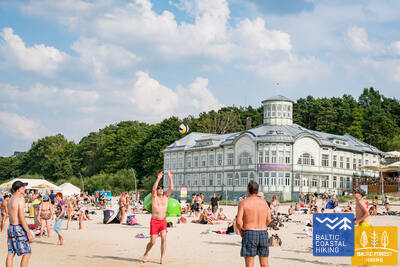
Maršruts piemērots ikviena vecuma un fiziskās sagatavotības gājējam. Starp Dubultiem un Lielupi plešas Rīgas jūras līča platākais smilšu liedags – Jūrmalas kūrorta nozīmīgākā vērtība ar daudzām pludmales kafejnīcām, dažādām atpūtas iespējām. Piekrastes kāpu mežus caurvij blīvs taku tīkls, kas piemērots iešanai un nūjošanai. Jūrtakas daļa starp Lielupes pludmali un Jūrmalas brīvdabas muzeju ietilpst Ragakāpas dabas parkā. No šejienes atpakaļ uz Bulduriem var ērti nokļūt pa Bulduru prospektu un 5. līniju.
Jūrmalas pilsētas pludmales
Jūrmalas pilsētas pludmales ir pieejamas arī cilvēkiem ar funkcionāliem traucējumiem - ratiņkrēslos un senjoriem. Ratiņkrēsliem Jūrmalā ir pielāgotas 14 izejas uz jūru (36.līnijā, Vienības prospekts (2.izejas) , Turaidas ielā (2 izejas), Pilsoņu ielā, Baznīcas ielā, Kļavu ielā, Līgatnes ielā, Dzimtenes ielā, Vēju ielā, Atbalss ielā, Kapteiņa Zolta ielā, Jaunķemeru ceļš, kur noejas līdz pludmalei, ņemot vērā segumu un reljefu, ir piemērotas gan cilvēkiem ar funkcionāliem traucējumiem, gan cilvēkiem ar bērnu ratiņiem), bet četrās vietās - Vaivaros, Kauguros, Jaunķemeros un Jaundubultos ir pieejamas paplašinātas, ērtākas pārģērbšanās kabīnes.
102. posms. Bulduri - Rīgas centrs.
Cauri mežiem uz Rīgu!
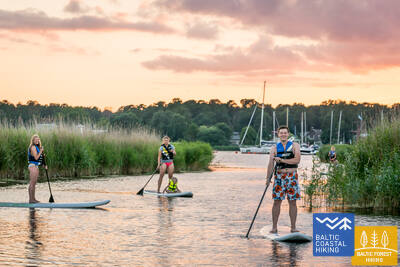
Maršruts ir alternatīvs veids, kā no Jūrmalas nokļūt līdz Rīgai, ejot pa mežu. Aiz Lielupes tilta Jūrtaka izlīkumo cauri Priedainei ar skatiem uz tās koka apbūvi, iet līdztekus Lielupes labajam krastam, tad nogriežas gar Bolderājas kāpas dienviddaļu un šķērso Kleistu mežu, virzoties gar Lāčupes kapiem. Tālāk pa vēsturiskajiem Pārdaugavas ceļiem – Buļļu un Daugavgrīvas ielām cauri Dzegužkalnam, garām Zunda kanālam un Āgenskalna līcim nonāk līdz Daugavai, kur pa Akmens tiltu šķērso Daugavu un apstājas Rīgas Rātslaukumā.
Babītes rododendru audzētava
Ir izveidota 1,9 km gara taka, kas ir pieejama cilvēkiem ratiņkrēslos un vecākiem ar bērnu ratiem. Takas segums - asfalts. Izveidota autostāvvieta (GPS: 56.962330, 23.952280), pielāgota WC. Atrodas ap 2,7 km no Jūrtakas.
Daugavgrīvas dabas taka
Taka sākās pie autostāvlaukuma (GPS: 57.036769, 24.018166), netālu no Valentīna Pikuļa ielas un aizved pāri Daugavgrīvas mitrājam līdz kāpām un jūrai. Līdz jūrai esošās takas klājums ir bruģis un bruģētā daļa ir pieejama cilvēkiem ar ratiņkrēsliem. Takas malā ir izveidots putnu vērošanas tornis, kura pirmais stāvs ir pieejams cilvēkiem ratiņkrēslos. Atrodas ap 12,5 km attālumā no Jūrtakas, bet jūras krastā - Daugavgrīvā.

Jūrmalas pilsētas pludmales
Jūrmalas pilsētas pludmales ir pieejamas arī cilvēkiem ar funkcionāliem traucējumiem - ratiņkrēslos un senjoriem. Ratiņkrēsliem Jūrmalā ir pielāgotas 14 izejas uz jūru (36.līnijā, Vienības prospekts (2.izejas) , Turaidas ielā (2 izejas), Pilsoņu ielā, Baznīcas ielā, Kļavu ielā, Līgatnes ielā, Dzimtenes ielā, Vēju ielā, Atbalss ielā, Kapteiņa Zolta ielā, Jaunķemeru ceļš, kur noejas līdz pludmalei, ņemot vērā segumu un reljefu, ir piemērotas gan cilvēkiem ar funkcionāliem traucējumiem, gan cilvēkiem ar bērnu ratiņiem), bet četrās vietās - Vaivaros, Kauguros, Jaunķemeros un Jaundubultos ir pieejamas paplašinātas, ērtākas pārģērbšanās kabīnes.