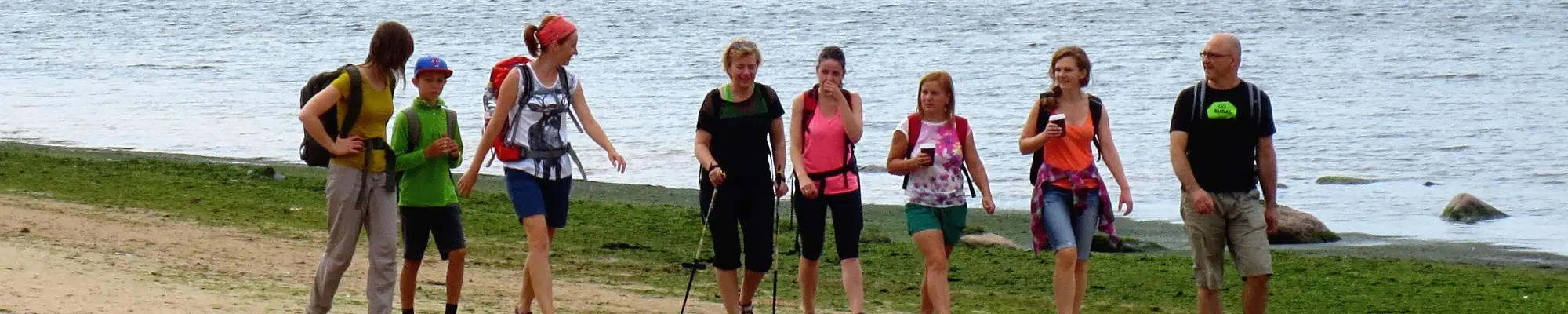

Atkarpa 49. Uuemõisa - Elbiku. Haapsalu ir Švedijos pakrantės kaimai.
Atkarpa 49. Uuemõisa - Elbiku.
Verta pamatyti
 Verta pamatyti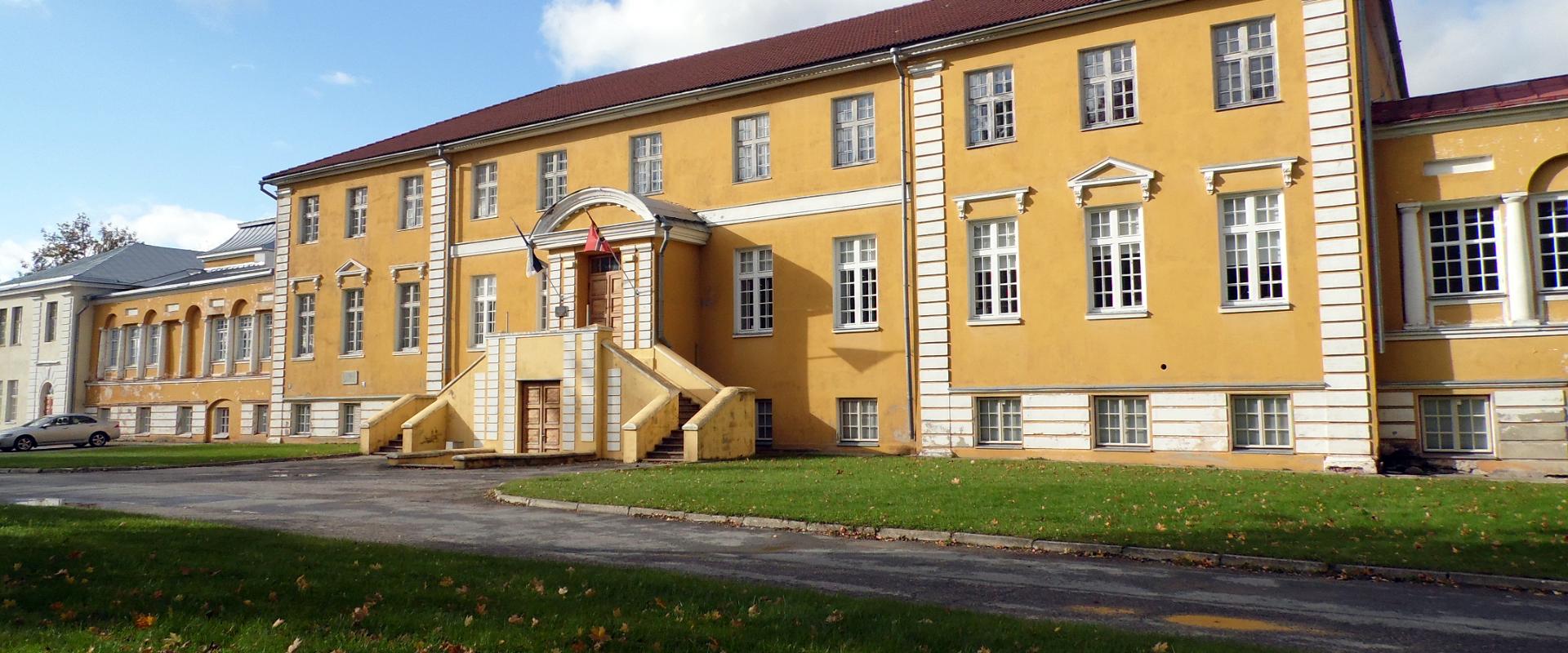
|
Mentioned for the first time in the historical writings in 1539. The building was reconstructed in 1920 and currently there is an elementary school located there. |
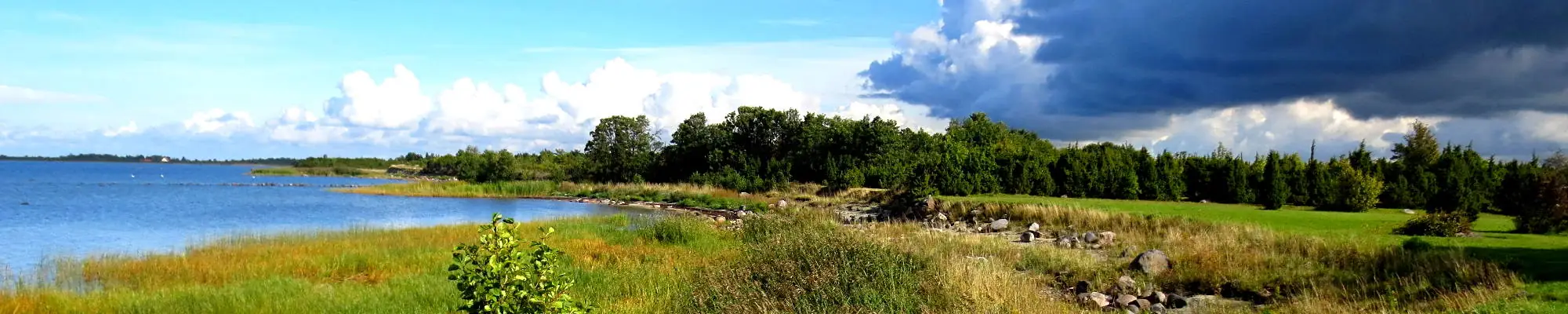
Gives a fantastic view of Saunja Bay (Saunja lahele) and the surrounding coastal meadows. During spring and autumn you can observe thousands of waterbirds resting here. |
|
Der Bildungspfad windet sich durch einen Kieferwald und eine Wacholderheide, bis er auf den an der Buchtenküste liegenden Leuchtturm Saunja stößt. |
|
|
The master’s house is made of wood (built in 1835). The granary, mill and some auxiliary buildings have survived until nowadays. A cemetery and commemorative stone to those killed during World War II is located in the yard of the manor. Currently the Oru Old People’s Home is located here. |
|
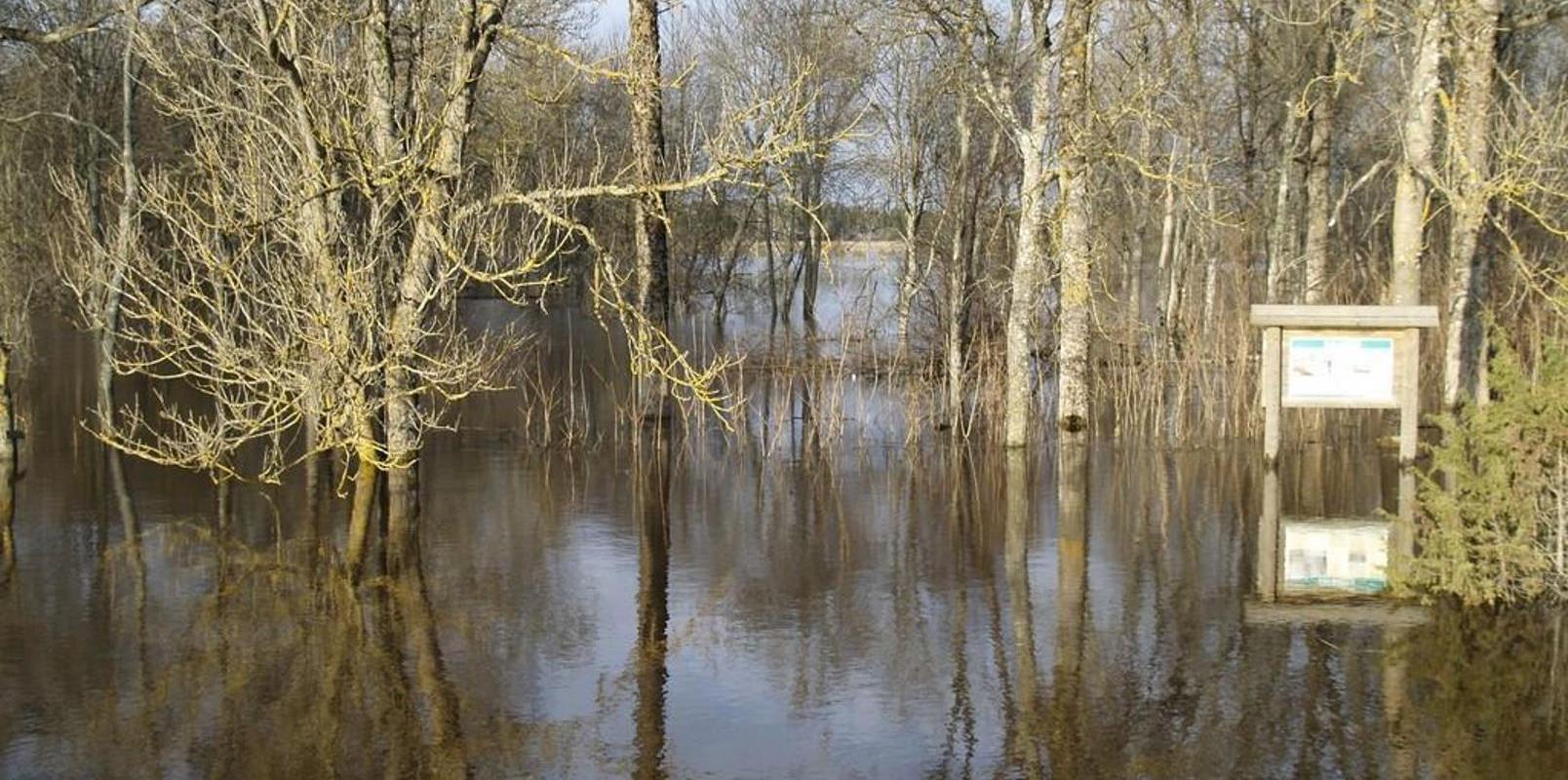
The largest sinkhole in the Leene district is approximately 600 meters long and 100 meters wide. This is the place where the Salajegi river, which flows into Haapsalu bay, flows underground for approximately 1.5 km. |
A majority of the stone wall and the socle part arches is still preserved until nowadays. |
|
|
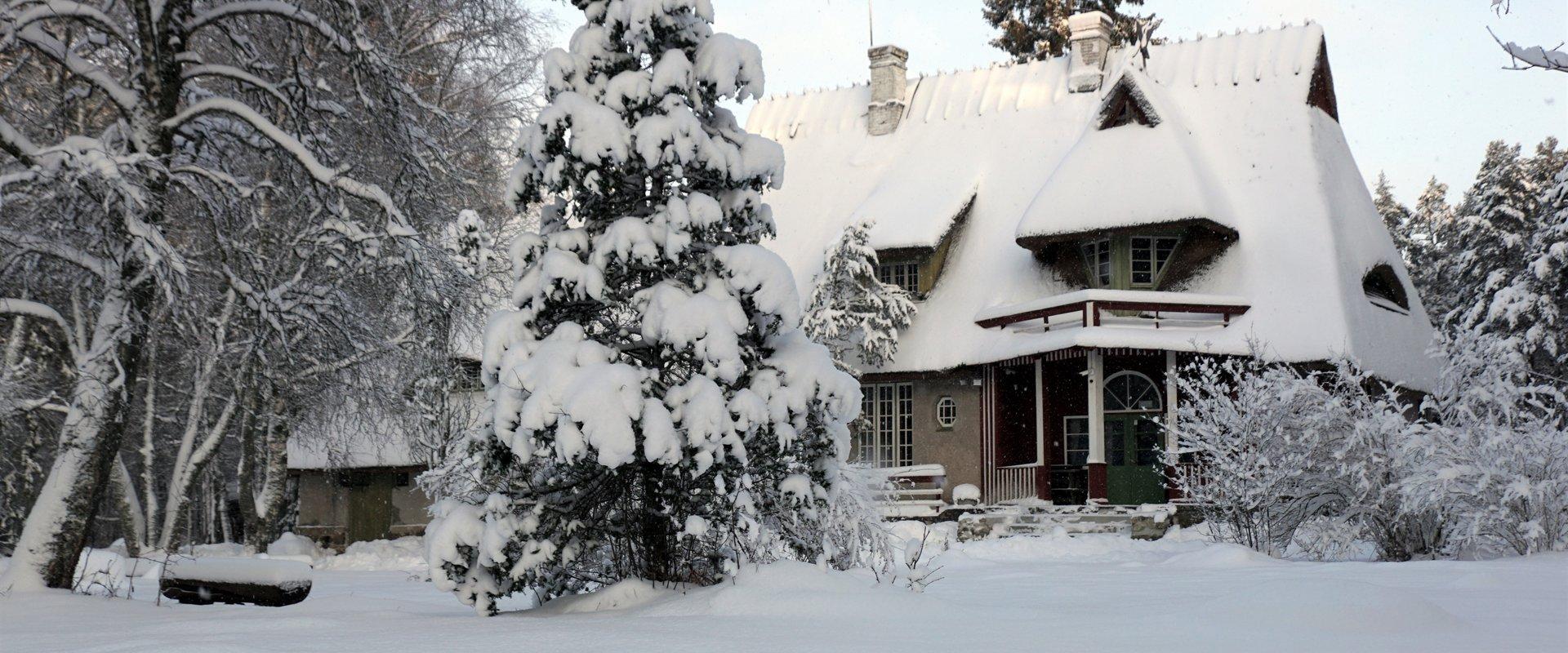
Artist Ants Laikmaa was born in the Vigala Rural Municipality in Lääne County on 5 May 1866. A. Laikmaa studied painting in St. Petersburg and at the Academy of Arts in Dusseldorf; his favourite technique was pastel. He mostly painted natural landscapes and portraits of Estonian intelligentsia and the farmers of West Estonia. The artist made his last home in Lääne County in the village of Kadarbik. The house was constructed according to the artist's own drawings and it is surrounded by a gorgeous natural park. The ground floor of the home museum houses an exhibition about the life of the master. On the upper floor, you will find his studio, study and bedroom with personal belongings and ethnographic antiquities. |

