
Section 42. Virtsu - Kuke. Matsalu national park and the West Estonian islands.
Section 42. Virtsu - Kuke.
Worth seeing
 Worth seeing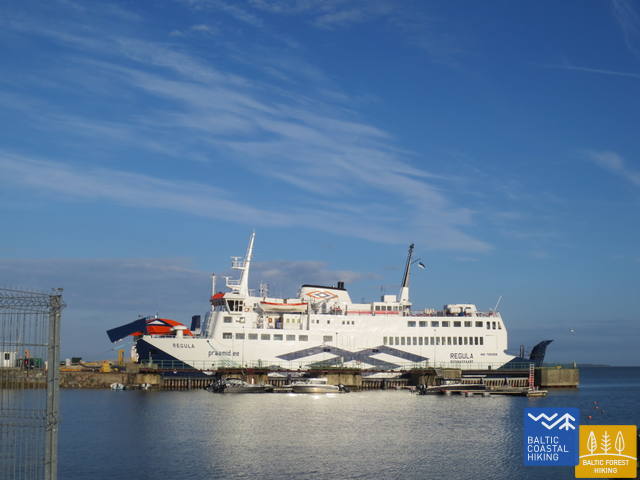
|
A port with a large port building where ferries depart to Saaremaa island. +372 5344 3945 |
|
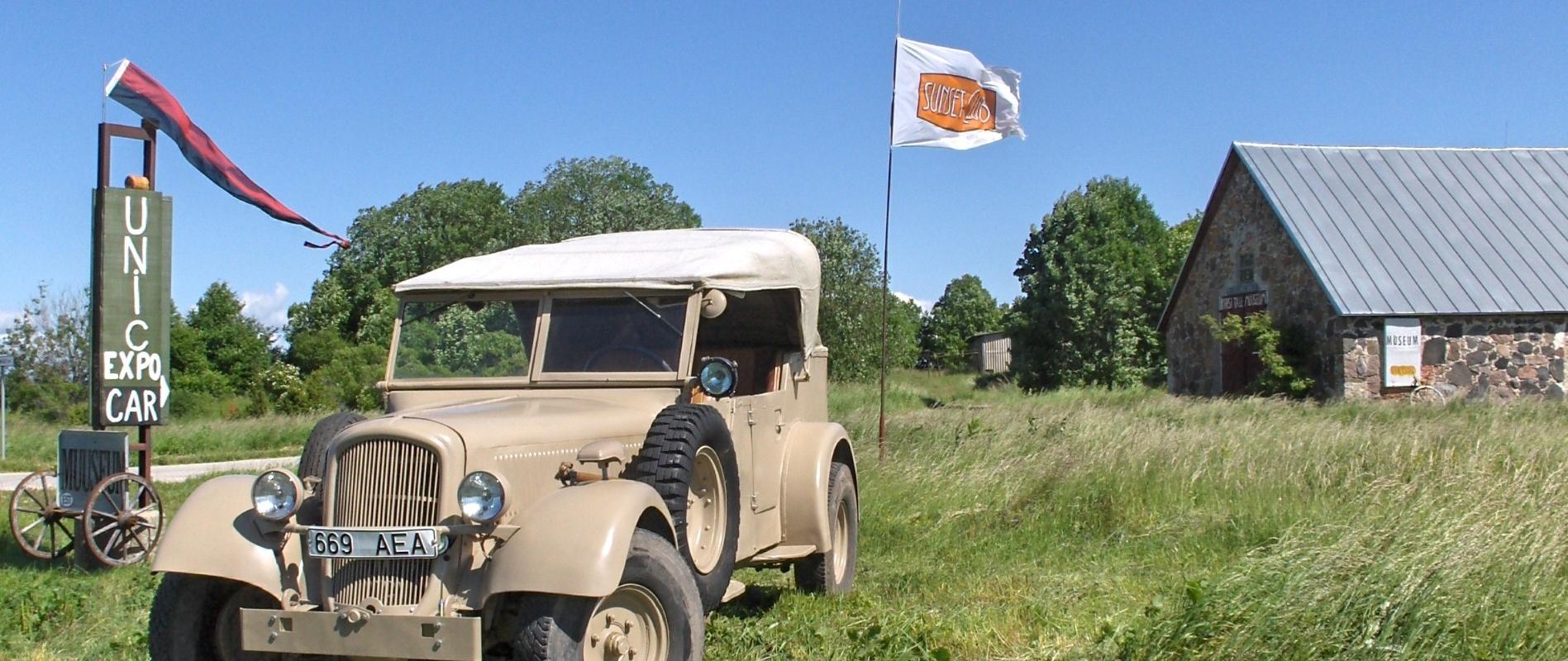
The antique car museum allows you to follow the development of vehicles during the last 200 years. +372 5373 0072 / +372 516 5288 |
The exhibition tells the history of the Virtsu region. +372 5151988 |
|
|
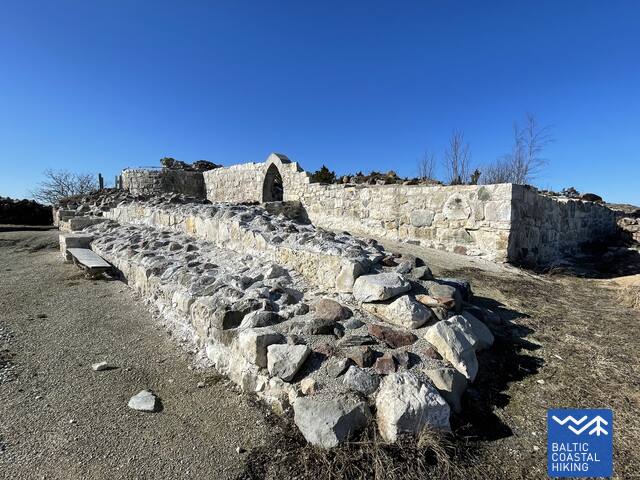
In 1460 the coastal hillfort of vassal was built to protect ship traffic. |

|
This low medieval cult stone has a deep hollow used for sacrificial ceremonies. |
The almost 3.5 m high coastline allows you to see outcrops with fossils. |
|

|
Phone +372 5410 0100 |
|
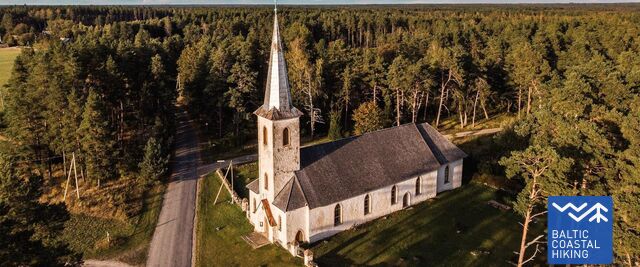
Hanila church is one of the most stylish early-Gothic-style sacral buildings in the Saare-Lääne region and was built in the 13th century. In the west wall of the church you should pay attention to the stairs leading to the vaults and the baroque-style pulpit and carved altar. Also of interest are the gravestones of interesting shapes, probably dating back to the early medieval times, in the cemetery near the church. +372 5530045 |

|
There are fenced burial mounds near Kõmsi's Orthodox church that are more than 2500 years old. One of the mounds was left open after its unearthing and the other has been reconstructed. The open mound consists of nearly two-dozen fenced graves; the oldest are in the middle of the mound and are very big. Originally the dead were buried without cremation; later they were also buried after cremation. The mound was abandoned at the latest by the time of the change in the system of chronology. Photo: Tõiv Jõul, Visit Pärnu |
