
Section 72. Ventė – Dreverna. Coastline of Curonian lagoon.
Section 72. Ventė – Dreverna.
Worth seeing
 Worth seeing
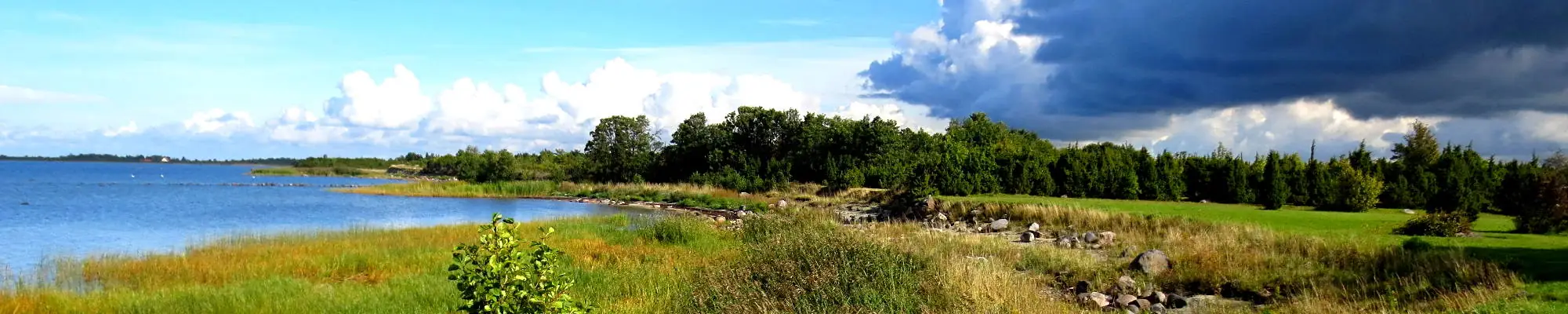
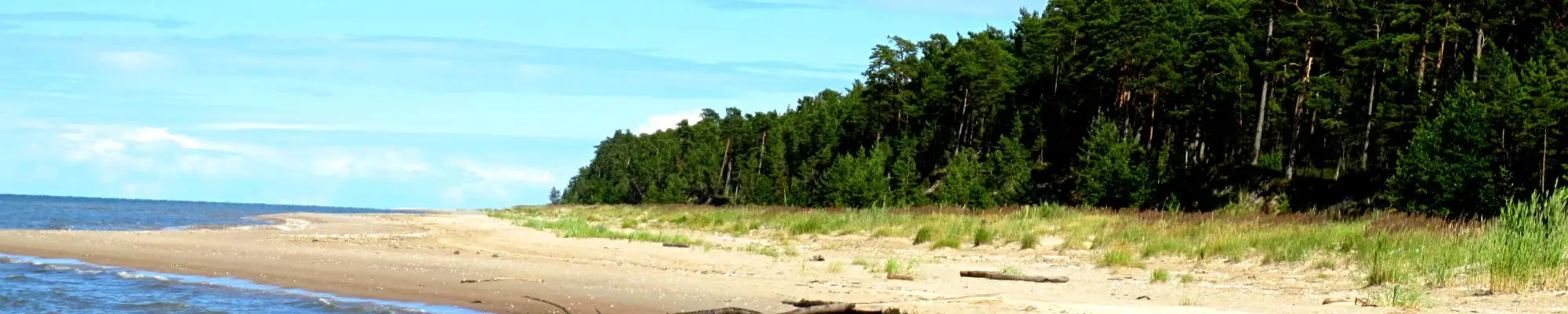
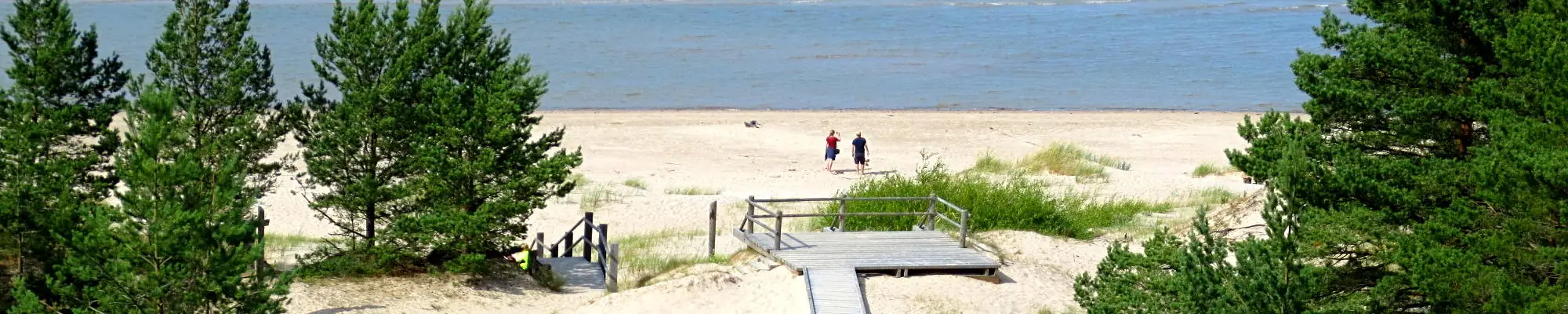
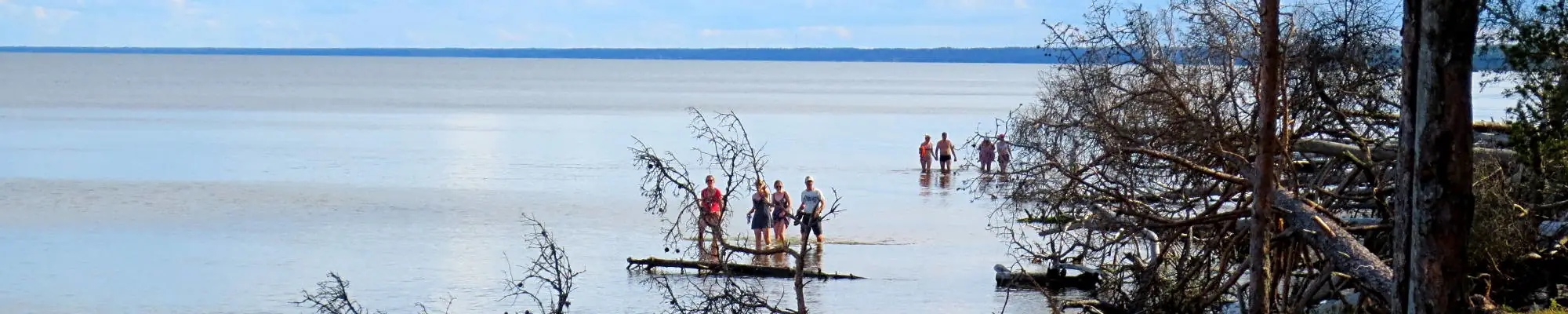
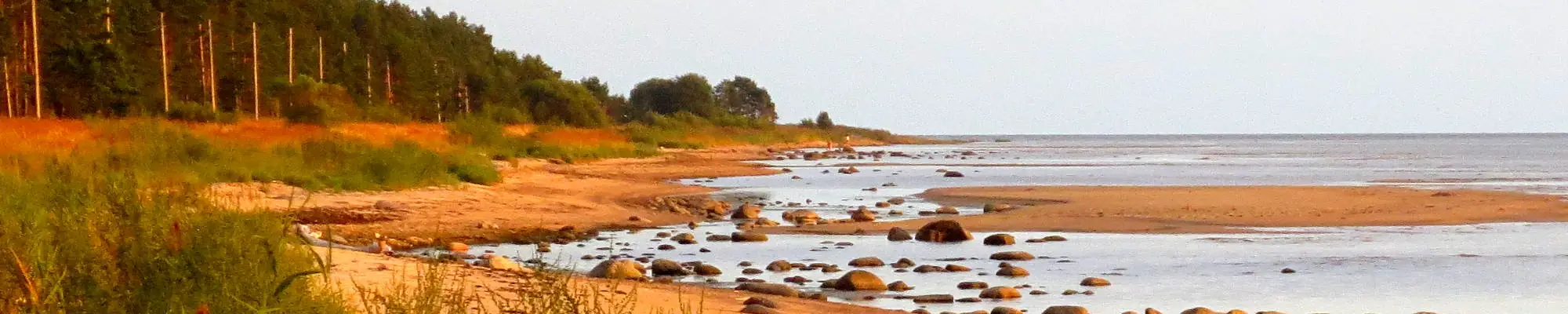
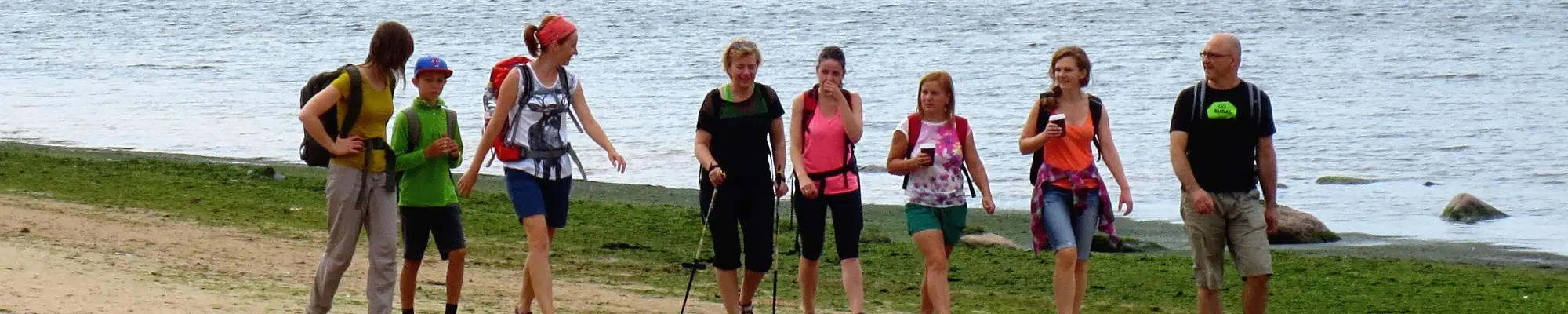
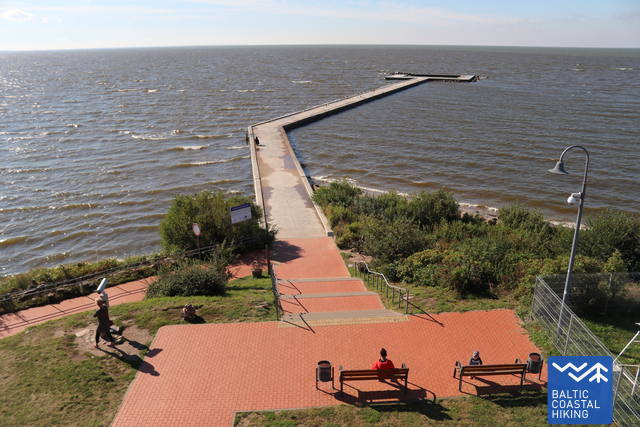
The trail winding along the lagoon gives spectacular views of the stretching lagoon and the Curonian Spit on the other side. |
|
|
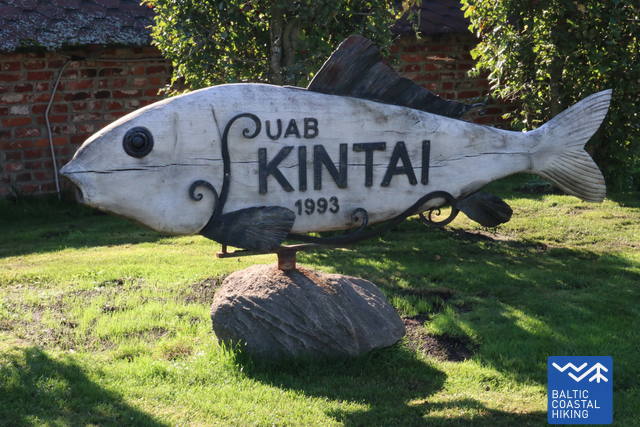
Kintai Village is renowned for its fishing and maritime traditions. An evangelical Lutheran church dating back to the 18th century can be found in the center of the town. The famous Lithuanian writer and philosopher Vydūnas lived and worked in Kintai from 1888 to 1892. |
|
|
|
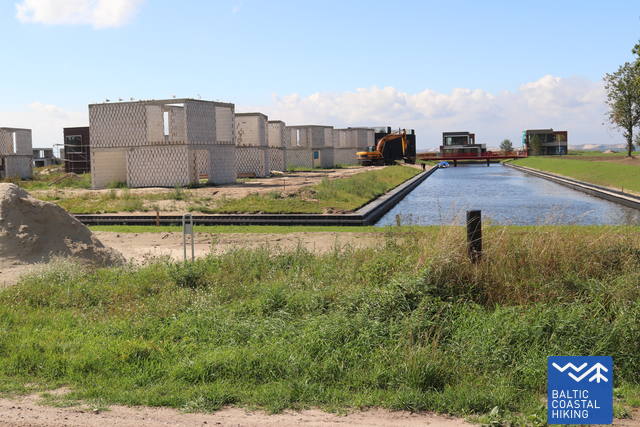
Svencelė is the favorite sport for kitesurfing and surfing. Here, people can relax, have meals and rest in campsites or small houses. |
|
|
|
|
The renovated ethnographic fisherman’s homestead of J. Gižas has an exhibition of the sailing boats, weathervanes, local customs and household items of the residents of the Curonian Spit. You can try your hand at using various tools of a ship builder or make yourself a unique weathervane. |
|
|
This historical town has been known since the 13th century as a fishermen’s village and has deeply rooted fishing and maritime traditions. |
|
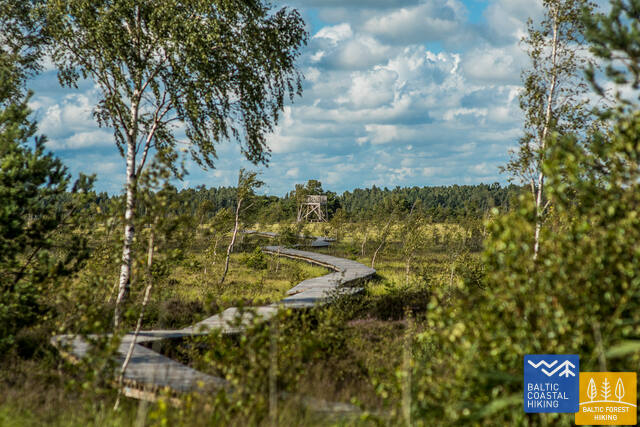
Aukštumala Raised Bog, located in Šilutė district municipality, extends across the Aukštumala telmological reserve. It is one of the biggest and most beautiful bogs in Lithuania, which, together with the nearby peat bog, covers an area of 2,500 hectares. Aukštumala educational trail provides an extraordinary opportunity to learn about the history of how the bog came to be and about its flora and fauna. The educational trail is a one-way winding path through a former submerged causeway that has 11 stops with informational stands. The route does not loop, so the way forward is also the way back. Aukštumala educational trail starts off on a natural soil path, which merges into a wooden walkway right after a turn at the embankment and leads to an observational tower in the bog. The distance from the road to the observational tower is 1.2 kilometres. Birds observed hereDuring avian migration and nesting season, visitors might see the yellowhammer, the Eurasian skylark, the common crane, the white-tailed eagle, the Eurasian wren, Montagu’s harrier, and, on rare occasions, the northern hawk-owl.
|
|
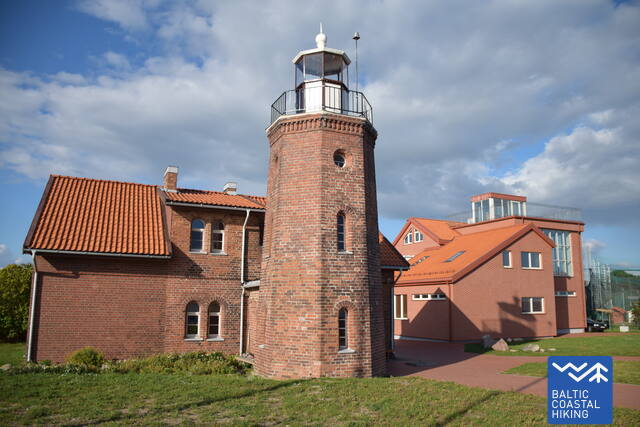
Ventė Cape is a spectacular location in Western Lithuania, found on the Curonian Lagoon in Šilutė District. One of the largest bird migration routes actually passes through the cape where Ventė is located, making it the ideal spot for bird catching and banding. The ornithological station houses a museum that encapsulates the history of bird banding and the birds that migrate and spend their winters in Lithuania. The staff of the ornithological station manages to band approximately 60,000 to 80,000 birds each year. The ornithological station is equipped with the biggest mist nets in Europe and also houses z-net mist nets, which are used to catch birds in all kinds of weather throughout the entire year. Birds observed hereHere, people can witness the Eurasian blue tit, the song thrush, the coal tit, the European robin, the common blackbird, the Eurasian wren, the Eurasian chaffinch, and on rare occasions – the yellow-browed warbler.
|
|
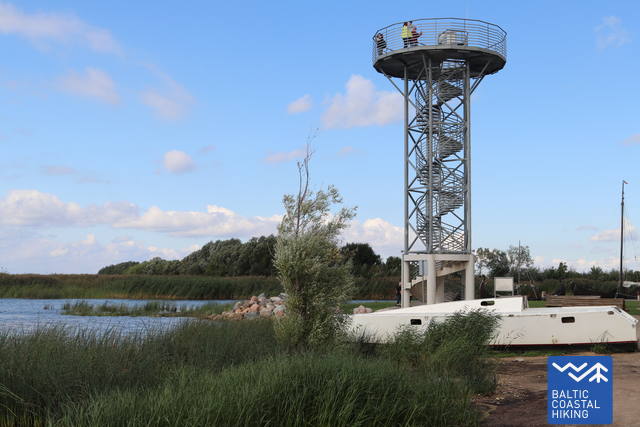
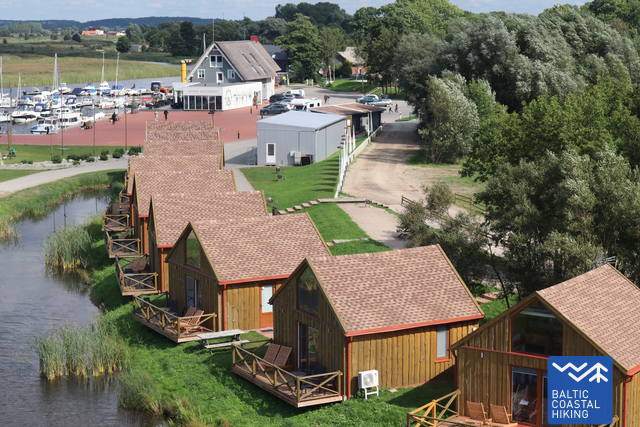
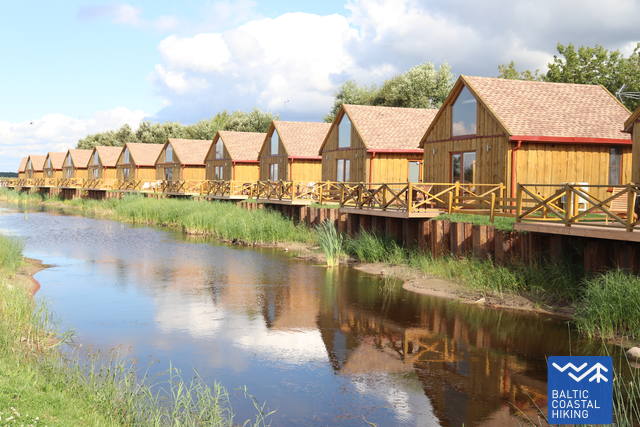
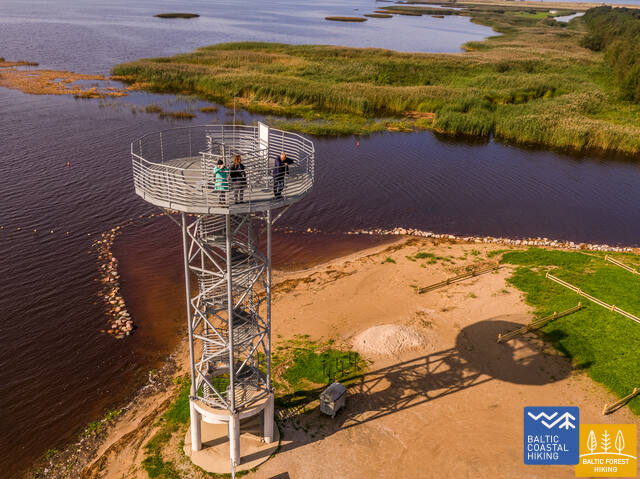
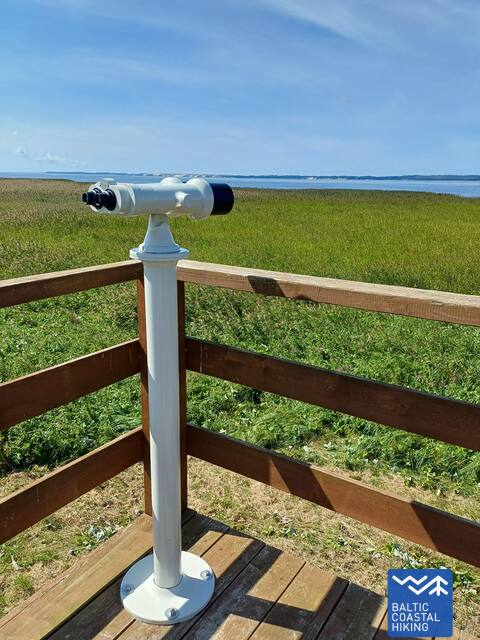
Dreverna marina is located on the coast of the Curonian Lagoon. The marina offers various water activities as well as ship and boat, paddle board and paddle boat services. There is also a camping area set up along with a heated outdoor pool, tennis courts, beach volleyball, and basketball courts as well as a children’s playground. The marina hosts a restaurant that is a must-visit to experience the region’s culinary fish heritage. One of the biggest attractions here is the 15-metre-high observation tower, which invites visitors to marvel in the beauty of the Nagliai Nature Reserve and the Curonian Lagoon. The observation tower is equipped with viewing binoculars. Once you’re up there, the general aural ambiance is overtaken by nature - sounds of the wind and the songs of the birds. Birds observed hereFrom here, you can often see the common reed bunting, the black-headed gull, the grey heron, the great reed warbler, and the great egret. On rare occasions, you might also see the little tern.
Binoculars rentalKlaipėda district tourism information centre branch Jonas Gižas ethnographic homestead (Jono Gižo etnografinė sodyba) Žvejų gatve 13, Dreverna Ph. +370 64823198 |
|
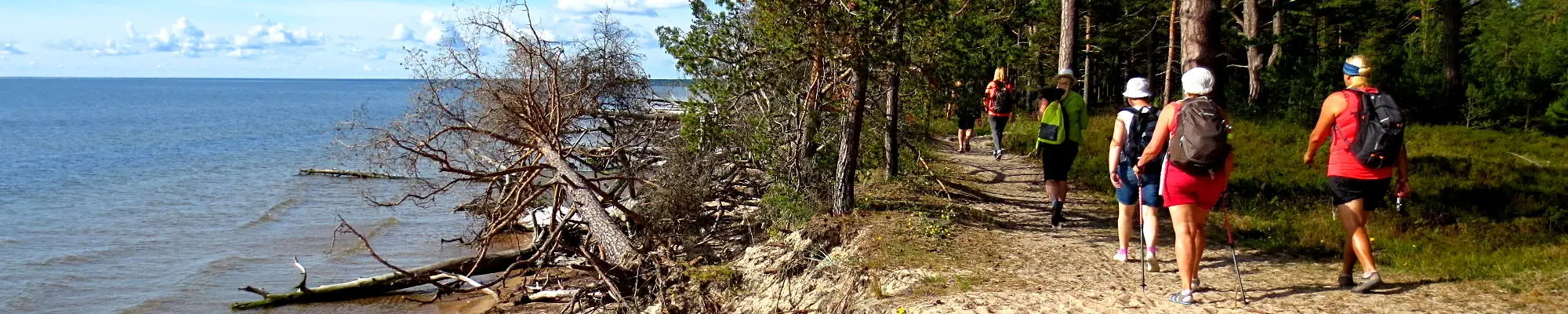
Tyrai is a one-of-a-kind locale where visitors can enjoy bird songs all year around. The picturesque hike begins at the King Wilhelm Channel and continues through the woods, turns towards an oxbow lake, stumbling upon a bog, and then meanders into a flood-meadow. Right beyond the reedbed lies the Curonian Lagoon. Tyrai hiking trail is meant for the whole family. The total distance up to the observational tower and back is 6 kilometres. And if you’re lucky, at sunset, you might hear the song of an especially rare bird, the aquatic warbler (Acrocephalus paludicola). Tyrai is one of the most important nesting grounds for birds in Lithuania. At the end of the Tyrai educational trail, visitors reach a birdwatching tower which houses viewing binoculars. Here, folks can enjoy a breathtaking view of the Curonian Lagoon and the Curonian Spit Sand Dunes, and observe the birds. There is an educational trail between Dreverna marina and Tyrai Marsh Birdwatching Tower called “the Bird Trail”, the length of which (there and back) is 14 kilometres. The trail is meant for hiking. While the trail is family-friendly, appropriate footwear is a must. It is recommended to follow the directional signs along the trail and listen to bird sounds through headphones. Lone tourists travelling the marked trail will have a great opportunity to visit protected locations and to get to know three ecosystems at once – the forest, the marsh, and the meadow – all the while enjoying the bird songs of the seaside region. For this, visitors will need to scan the QR code on one of the informational stands with pictures of birds and to download the BirdNET app. In turn, visitors will hear the birds marked on the informational stand, and this will help them recognize the different birds in the wild. Birds observed hereAquatic warbler, water rail, common snipe, common redshank, Montagu’s harrier, corn crake, northern lapwing and others.
Binoculars rentalKlaipėda district tourism information centre branch Jonas Gižas ethnographic homestead (Jono Gižo etnografinė sodyba) Žvejų gatve 13, Dreverna Ph. +370 64823198 |
|
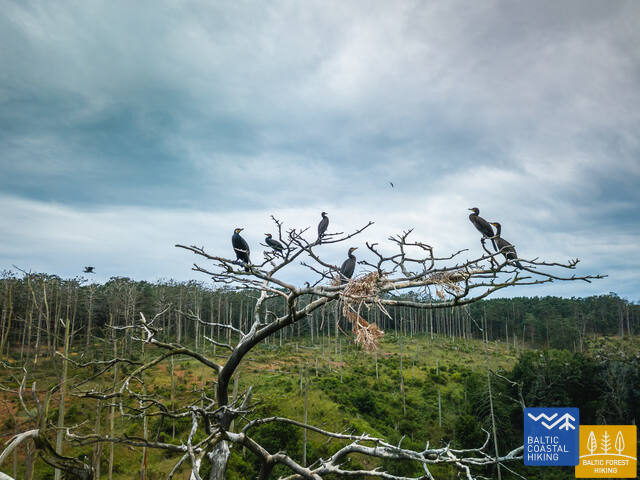
Between Juodkrantė and Ram Hill (Avino kalnas), in the old-growth forest lies the Heron Hill (Garnių kalnas), which got its name from the grey heron and great cormorant colonies that dwell nearby. Incidentally, it is one of the biggest colonies of these birds in Europe. Cormorants appeared in Juodkrantė in 1803 and, after settling near the herons, started taking over their nesting grounds. Slowly, the herons were pushed out to the outskirts and started migrating south of Juodkrantė. A decade later, two colonies of herons and cormorants developed at the southern and northern shorelines of Juodkrantė. In the first half of February, the first cormorants arrive at the Curonian Spit, and soon after the grey herons follow suit. By the end of March, the colonies are at full swing. According to the 2021 population counts, 3,135 pairs of great cormorants and 228 pairs of grey herons were nesting their young in the colony. On the edge of the great cormorant and grey heron colony stands an observation platform. So, visitors have the perfect opportunity to experience the lives of these birds up close and to learn more about the nesting grounds as well as the birds themselves.
Nature guides
|
1. Kognitiver Erholungspfad im Forstgebiet Kintai. Entlang des Lehrpfades an der Küste öffnet sich der Blick von magischer Schönheit auf die Breite der Gewässer und jenseits des Haffs liegender Kurischer Nehrung. GPS: 55.38215, 21.22811
2. Aussichtsturm von Kintai. GPS: 55.41697, 21.25009
3. Kintai. Kintai ist berühmt für seine Fischerei- und Schifffahrtstraditionen. Im Zentrum des Städtchens steht eine evangelisch-lutheranische Kirche aus dem 18. Jahrhundert. Im Jahr 1888–1892 lebte und arbeitete in Kintai der berühmte litauischer Schriftsteller und Philosoph Vydūnas. GPS: 55.41952, 21.26272
4. Kintai-Pier. GPS: 55.42505, 21.25136
5. Svencelė. Es ist ein beliebter Ort für Kitesurfern/Kiteboarden und Seglern. Hier ist es möglich sich auf den Campingplätzen oder in kleineren Hütten aufzuhalten, Spaß zu haben und Mahlzeiten zu sich zu nehmen. GPS: 55.49338, 21.24724
6. Aussichtsturm von Dreverna. GPS: 55.51616, 21.23370
7. Pier von Dreverna. GPS: 55.51773, 21.23664
8. Ethnographisches Gehöft von J. Gižas. Das rekonstruierte ethnografische Fischerhaus von J. Gižas präsentiert die Segelboote, die Wetterfahnen des Kurischen Haffs und das Alltagsleben, die Bräuche der Küstenbevölkerung. Im Museum wird gerne angeboten, verschiedene Werkzeuge eines Schiffbauers zu probieren oder eine einzigartige Wetterfahne selbst anzufertigen. GPS: 55.51750, 21.24013
9. Dreverna. Dieses historisches Küstenstädtchen ist seit dem 13. Jh. bekannt. Bis heute ist das Fischerdorf immer noch für seine Fischerei- und Schifffahrtstraditionen berühmt.
GPS: 55.51795, 21.24120