
Birdwatching in Lithuania and South Kurzeme Coast
The Baltic Sea coastline is an excellent place for unforgettable experiences for both nature watchers and ornithology enthusiasts, revealing bird diversity throughout the year. The most observations can be made in spring and autumn when birds migrate and stop along the eastern coast of the Baltic Sea to feed and regain strength during long flights. In summer, birds can be seen in their nesting habitats, while the mild climate allows some bird species to remain observable during winter.
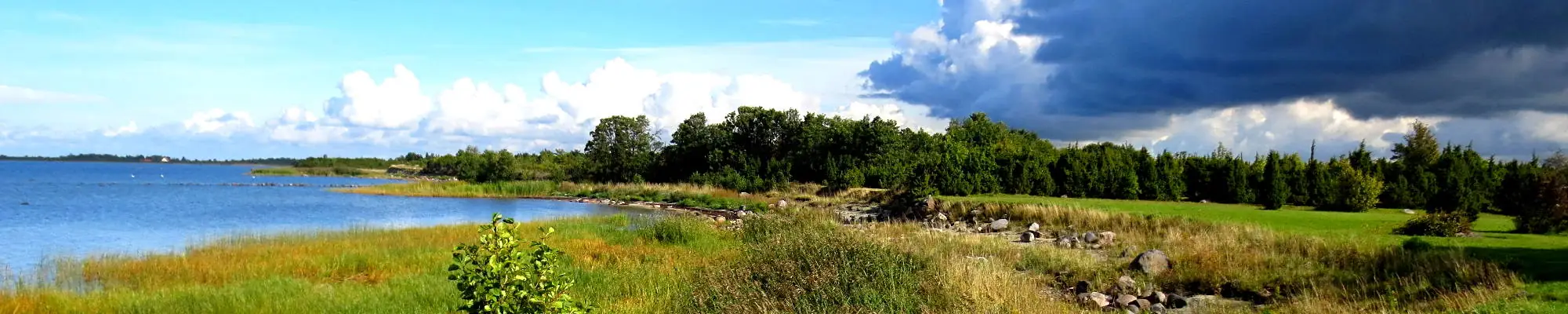
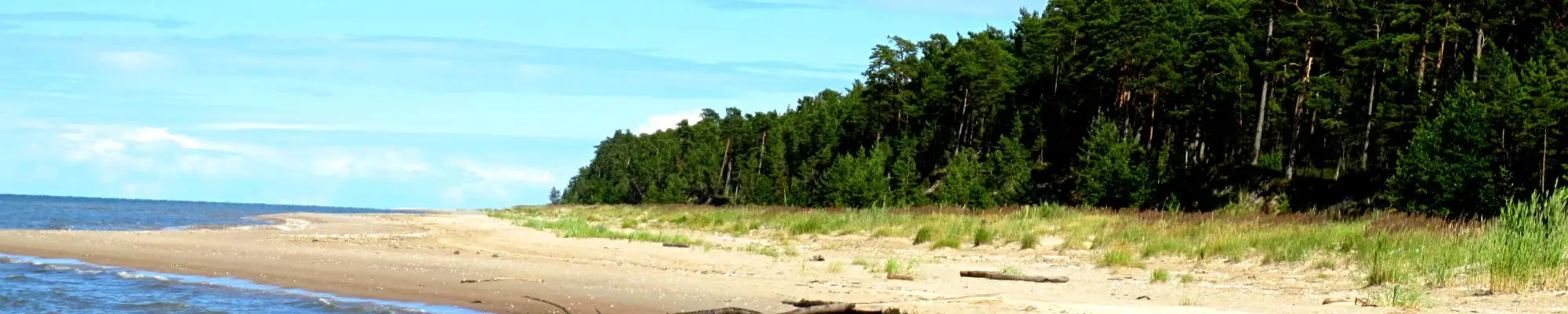
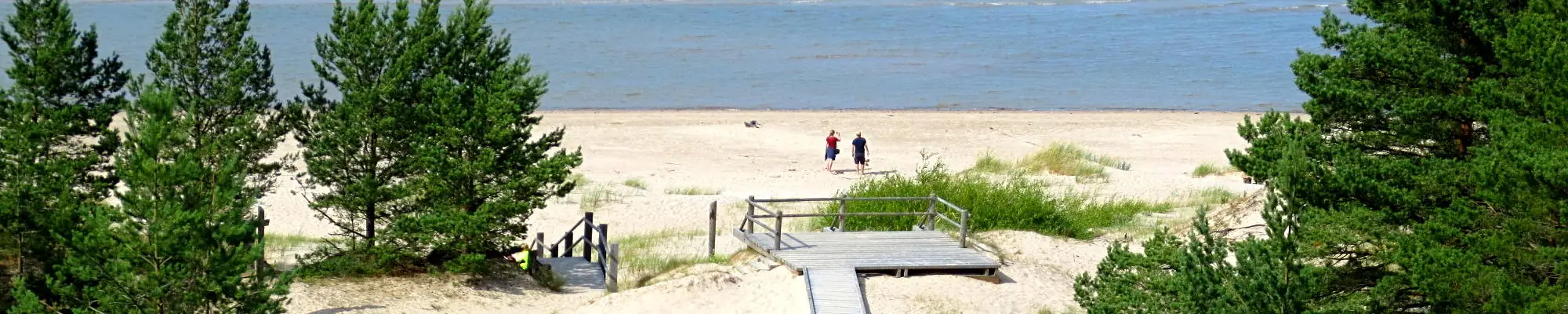
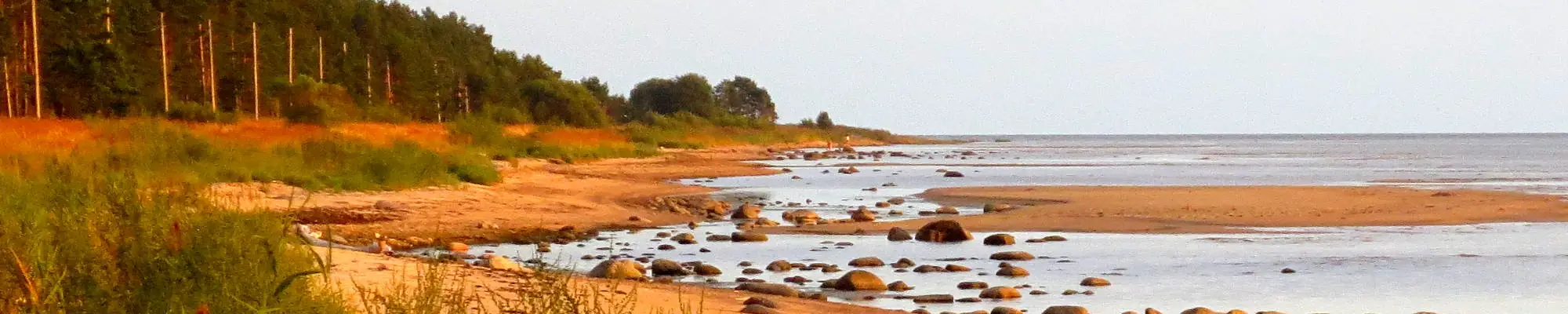
Nature along the Baltic Sea coast is incredibly diverse – featuring wide beaches, tall sandy clay cliffs, forests, bogs, lakes, and rivers, providing favourable living conditions for various bird species.
In Lithuania, 388 bird species have been observed so far, while in Latvia, 377 bird species have been recorded, of which approximately 220 species nest locally.
Significant research is conducted at the Ventes Ragas Ornithological Station in Lithuania and at the Pape Ornithological Station in Latvia, which is the field research base of the Institute of Biology of the University of Latvia. These stations catch, band, and study birds, recording and investigating their migrations. Bat research is also conducted in Pape.
With financial support from the Interreg VI-A Latvia–Lithuania Programme, project No. LL-00022 “Bird-watching network along the Baltic coast” (BIRDIE), a route has been created linking 18 birdwatching sites in Latvia and Lithuania. It includes Pāvilosta, Ziemupe, Liepāja, Pape, Cape Vente, the Curonian Spit and other popular birdwatching sites along the Baltic coast.
To make birdwatching even more exciting and accessible to everyone, fixed telescopes have been installed at several points along the route, along with information boards and display panels detailing the bird species found in the area. Visitors can go on educational tours accompanied by nature guides, as well as use the binocular rental facilities.