Baltischer Wald-Wanderweg - Setomaa

Setomaa
SETOMAA – AUTHENTISCHE KULTUR IN BEZAUBERNDER NATUR
Vana Vastseliina – Ristipalo: 73 km, 19.–21. Tag
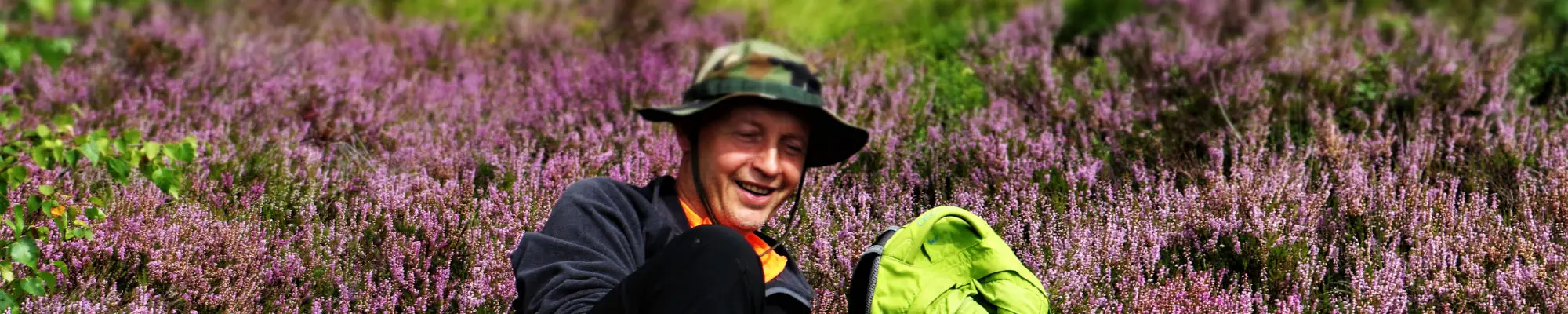
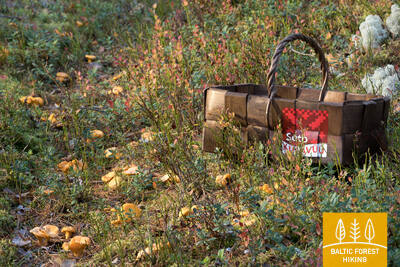
In Setomaa, dem „Land der Setus“, lebt eine Volksgruppe mit ganz besonderen, sehr alten Traditionen und einem eigenem Dialekt. Sie können im Seto-Landmuseum in Värska einen traditionellen Hof der Setus besuchen und sich an der speziellen Cuisine versuchen. Die Landschaften Setomaas sind im frühen Herbst, wenn der Boden von blühendem Heidekraut violett gefärbt ist, besonders schön. Einer der idyllischsten Abschnitte des Pfades ist jener, am dem beeindruckende Sandsteinfelsen entlang des Flusses Piusa zu sehen sind. Schon seit Anfang des 19. Jahrhunderts schätzt man die Kraft der Natur; damals begann die Geschichte von Värska als Kurort. Die reine Luft und das wertvolle, heilende Mineralwasser verleihen dem Sanatorium bis heute einen guten Ruf.
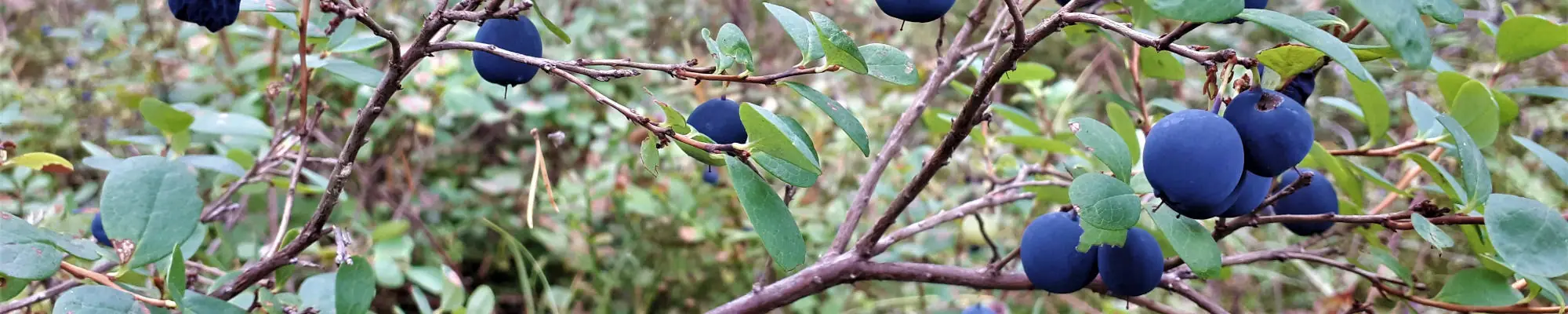
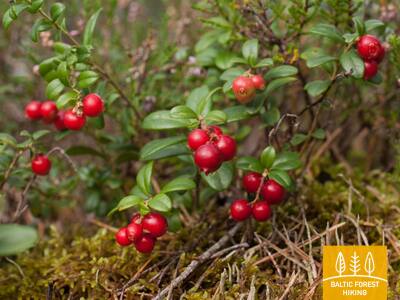
Die eindrucksvollsten sehenswürdigkeiten: Einzigartige Kultur – Traditionen, Architektur, die Handwerk, Sprache, Küche, Seto Leelo – der traditionelle mehrstimmige Gesang Setus, von der UNESCO als immaterielles Kulturerbe anerkannt, Pilz- und beerenreiche Gegenden, Puisa-Flusstal und künstlich entstandene Sandhöhlen mit Fledermauskolonien, Höhlen und Fledermäuse, Die "Härma-Mauer" – höchster Devon-Sandsteinfelsen Estlands, Naturpark Mustoja, Setu-Museen, Mineralwasser und Heilschlamm aus Värska, Die gelben „National Geographic“-Fenster in den Dörfern Obinitsa und Podmotsa.
 19. Etappe. Vana-Vastseliina – Kolodavitsa.
Entlang der Ufer des schnellsten estnischen Flusses - der Piusa
Das erste Drittel dieser Etappe schlängeln sich die Pfade entlang des malerischen Piusa-Talsentlang, biegt bei Härma Richtung Obinitsa, was ein bedeutender Mittelpunkt der Setomaa-Kultur ist, ab.Danach biegt der Weg bei Härma in Richtung Obinitsa – einer der wichtigsten Setu-Siedlungen – ab. Ein Stopp lohnt sich hier. Dem folgend führt der Weg wieder durch schöne, mit Heidekraut und Moosen bewachsene Kiefernwälder und steigt dann in das tiefe Tal der Piusa hinab. Vorbei an den berühmten Sandhöhlen von Piusa mit seinem Besucherzentrum geht es weiter in Richtung Osten. Im weiteren Verlauf folgt der Weg dem linken Ufer der Piusa, bis am Bahnhof die Autostraße und die Bahnlinie auftauchen
 20. Etappe. Kolodavitsa – Värska.
Auf den Spuren der Kultur und den lebendigen Traditionen der Setus
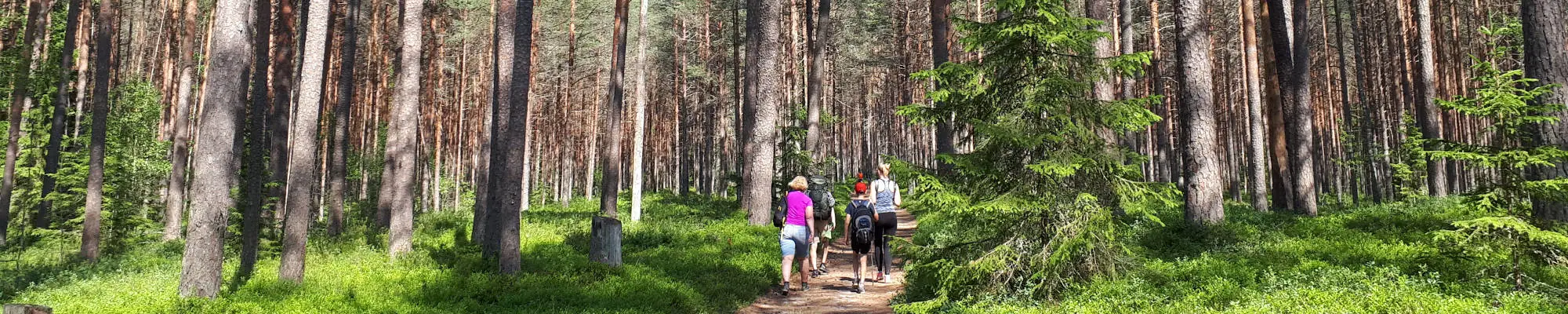
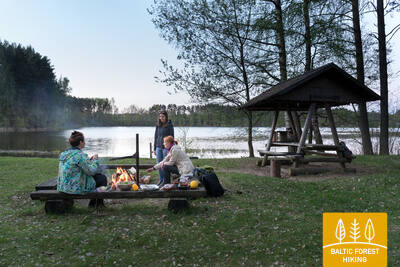
Der Baltische Wald-Wanderweg durchquert die weiten Wälder von Setomaa, passiert Moore und mit Heidekrautgewächsen bedeckte Flächen, die im September wunderbar violettfarben blühen. Die Gegend ist dünn besiedelt und die Wildnis lässt sich hier ganz nah erleben. In der Nähe des Õrsava-Sees führt der Wanderweg über mehrere Fußgängerbrücken, schlängelt sich um den See und erreicht den Ortskern von Värska. Auch auf dieser Etappe können Sie sich näher mit Traditionen und Küche der Setus befassen.
21. Etappe. Värska – Ristipalo.
Der traditionsreiche Kurort Värska
Der Baltische Wald-Wanderweg verlässt Värska, biegt Richtung Nordwesten ab und verläuft eine kurze Strecke unweit des Peipussees (Pihkva järv) und der Bucht von Värska. Nach dem Wandern durch ein größeres Waldmassiv führt der Weg zum Dorf. Laossina, wo die religiösen Traditionen der Setukesen deutlich werden. Der Baltische Wald-Wanderweg verläuft hier durch das Peipussee-Tiefland (Peipsi), dessen flaches Relief vorwiegend landwirtschaftlich genutzt wird. Nach dem Überqueren des Võhandu-Flusses beim Orte Võõpsu biegt der Weg in Richtung Räpina ab.