
61-й этап. Остров Вормси и Остров Кихну. Национальный парк Матсалу и острова Западной Эстонии.
61-й этап. Остров Вормси и Остров Кихну.
Стоит увидеть
 Стоит увидеть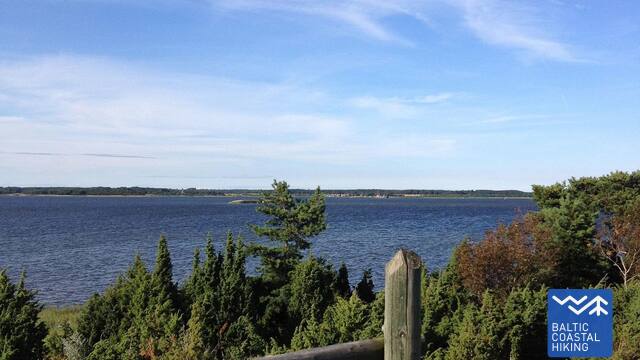
|
Редкие лишайники и морские птицы. |
|
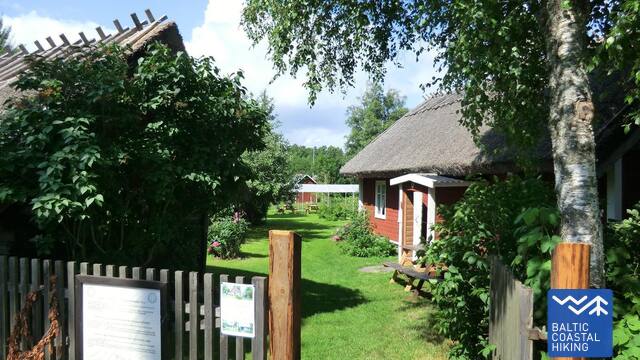
Vormsi is an island where Swedes lived for centuries. Documents show that there was a settlement as early as in the 13th century. Vormsi was a Swedish-speaking island, where, for example, in 1934, 2,393 Swedes and 122 Estonians lived. |
|
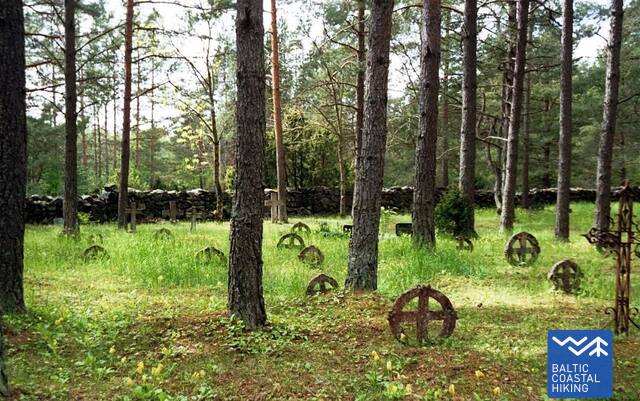
Vormsi Cemetery right next to St Olav’s Church on the island of Vormsi is one of the most unique cemeteries in Estonia. In the older part of the cemetery you will find many limestone and sandstone wheel crosses. More than 330 wheel crosses have survived and there are many crosses of ordinary shapes.
Interesting facts: There are two memorial stones in the churchyard – one for the Estonian-Swedish cultural figure Hans Pöhl, and the other for the Swedish missionary Österblom who brought about fundamental changes in the local religious life. Try to find the oldest grave stone in the cemetery originating from 1743. Outside the churchyard you can see one of the few freedom monuments in Estonia which stood in its place through the whole of the Soviet era. |
|
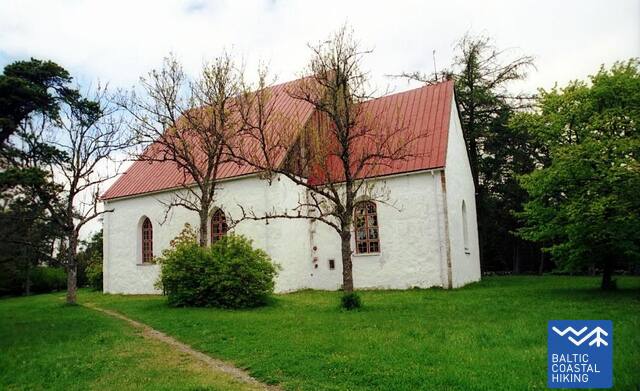
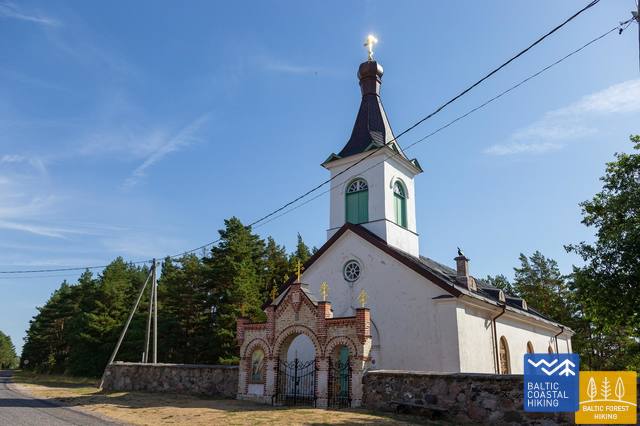
Vormsi church which dates back to the 14th century and is the main memento of its history and culture – is located in the centre of the island, in Hullo. The church was unused for a long time after the Swedish escaped from the island in the end of World War II. The church was dedicated again on Olav's Day in 1990.
Be sure to take a look at the characteristic square-shaped nave and have look at the old ceiling paintings in the altar room. Interesting facts: The first church in Vormsi was a wooden church. * St. Olav’s church in Vormsi is unique for the fact that it has no belfry, the bell hangs above the door under the high ridge. * There are two gnarled pine trees at the gate of the church – this is the place where the pillory stood. |
|
|
|
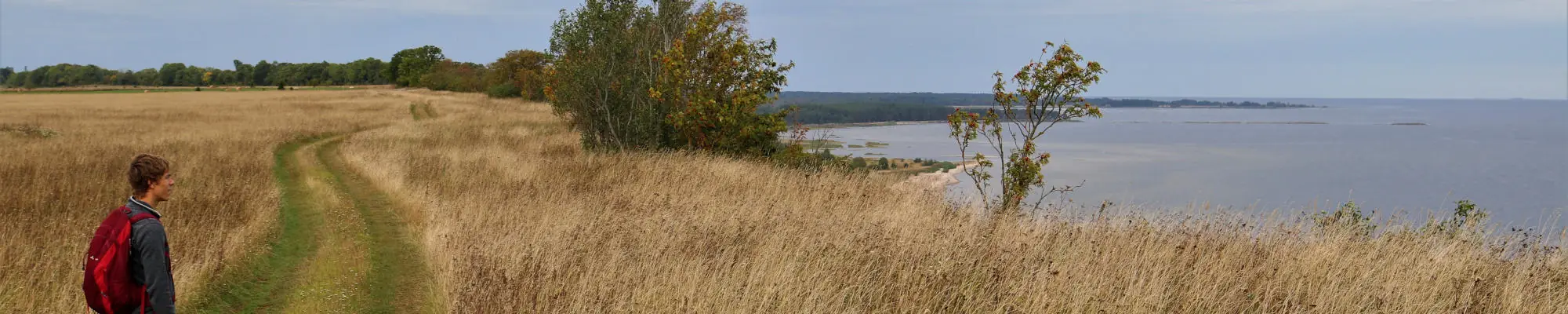
Красивый вид на море и остров. |
|
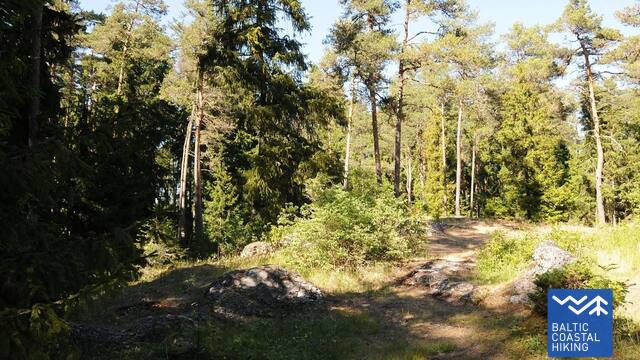
One of the most fascinating places on Vormsi is the Huitbergi limestone hill in a spruce forest in the middle of the island. The hill is over 400 million years old and a coral reef polished by ice. The limestone outcrop is covered with moss, but fossils can be seen in places where there is no moss. Protected ferns have found their place there.
The circular trail is marked with wooden signs. |
|
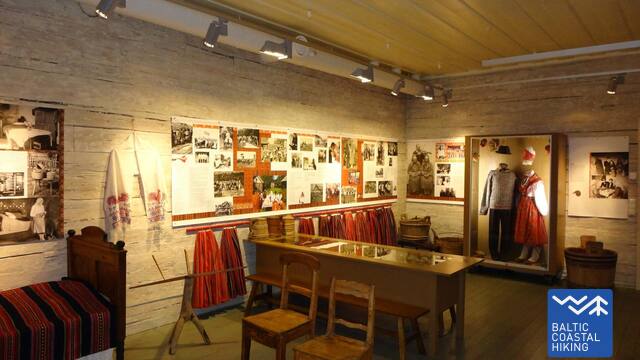
Discover Kihnu Museum – a reflection of the soul of the island's people! Kihnu Museum is a place where you can experience the unique worldview and vibrant culture of Kihnu Island. Located in the former school building, the museum tells the stories of everyday life on Kihnu, including seafaring, handicrafts, and folk costumes – everything that makes the Kihnu cultural space unique and that has led to its inclusion in UNESCO's List of Intangible Cultural Heritage. You are invited to guided tours and workshops that provide insight into the island's traditions. A cozy souvenir shop offers authentic Kihnu handicrafts and local memorabilia. The museum also hosts important community cultural events, and the second floor can be used for smaller seminars or gatherings. The museum exhibitions feature the life work of famous Kihnu men and a selection of artistic creations by Kihnu folk artists. Kihnu Island is easily accessible by ferry from Munalaiu Harbor, with departures several times a day; the journey lasts about half an hour. Kihnu Island and the museum are waiting to welcome you! |
|
|
|
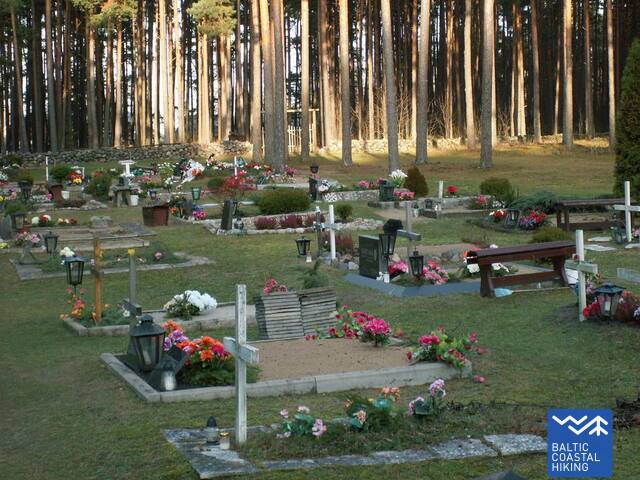
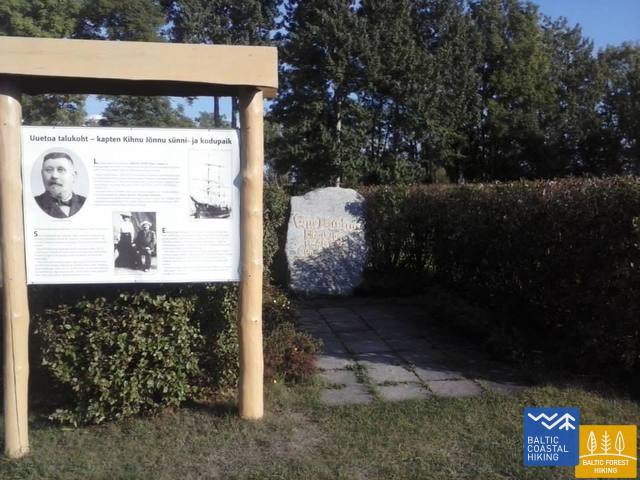
The cemetery is as sacred for Kihnu people as the church. You go there quietly and never after the sun has set so you don't disturb the dead. Useful information! Famous Captain Enn Uuetoa or Kihnu Jõnn, whose remains were brought from Denmark to Kihnu in 1992, is buried near the cemetery gates. Carpenter Karl Jerkwelt, a man from Saaremaa who worked on Kihnu Jõnn's last ship Rock-City, is buried next to him. |
|
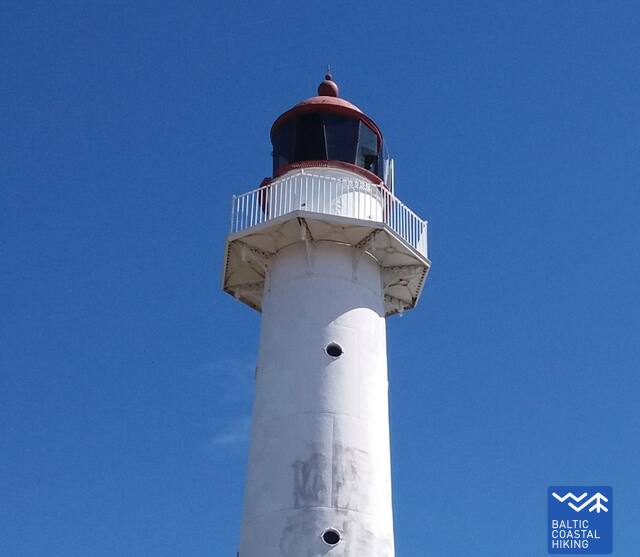
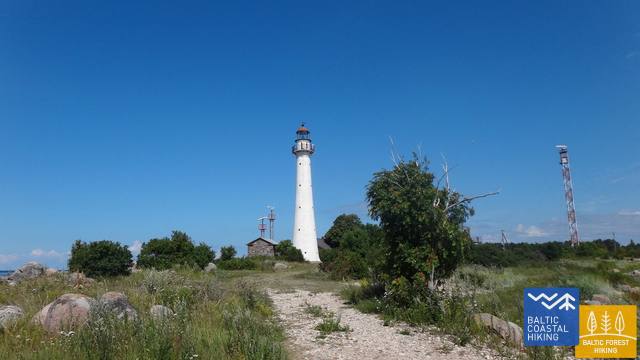
Built in England in 1864 and made of cast iron, Kihnu Lighthouse is one of the most unique and important lighthouses in Estonia! The tower has an interesting history – it was once the only means of communication with the mainland. The lighthouse is located on the southern tip of Kihnu Island and is one of four surviving cast-iron lighthouses on the Estonian coast. The tower is equipped with a lantern room and a balcony and is 29 meters above sea level. The shed next to the tower sells local handicrafts and sweets. From the top of the lighthouse, you can enjoy a breathtaking view of the sea and the landscape of Kihnu! Come and discover Kihnu Island and its lighthouse! |
|
Kihnu Jõnn, otherwise known as Enn Uuetoa (1848-1913), was an Estonian sea captain. He rose to this rank thanks to many years of sea voyages in which he had not a single accident. He would captain large ships without the use of either a compass or a sextant, taking vessels out in which other captains did not dare go to sea.
Kihnu Jõnn went down with his ship the Rock City off the coast of Denmark one stormy autumn day in 1913. The two-metre bronze memorial that has been erected to him guards the land-side sea gates of Pärnu by the city's yacht harbour. |