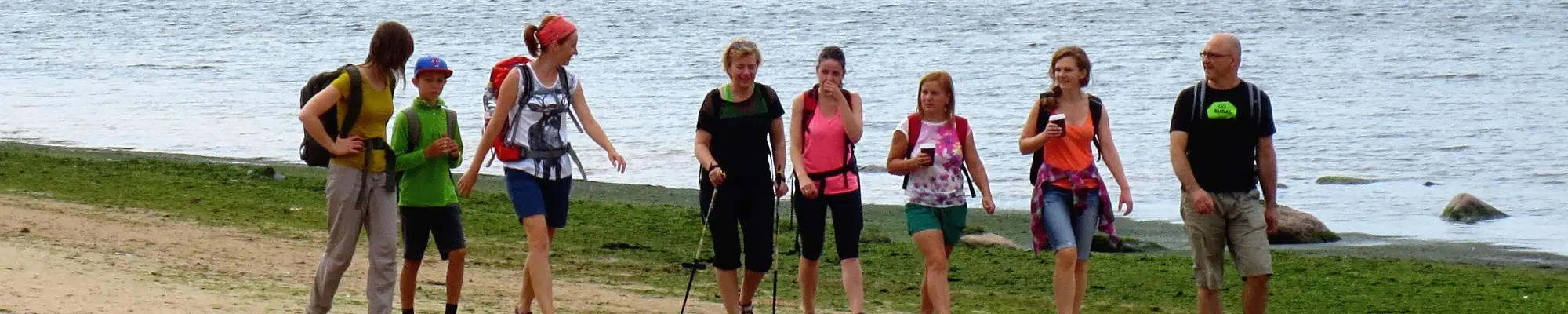

67-й этап. Клайпеда – Паланга. Seaside resorts.
67-й этап. Клайпеда – Паланга.
Стоит увидеть
 Стоит увидеть
The youngest Lithuanian university was established in the historical buildings of neogothic barracks built in the beginning of the 20th century. |
|
This is the place where the Curonian Lagoon is connected to the open sea and the ships sail to the port. |
|
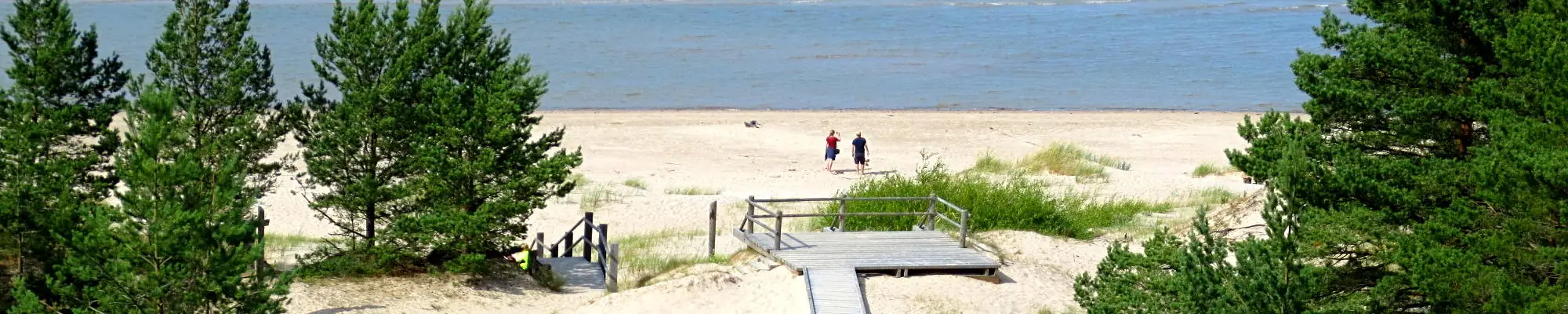
In 2020, a new broad wooden trail was built across the dunes of Melnragė seaside. The trail has playgrounds, rest areas and information stands presenting the seaside plants and animals. |
|
|
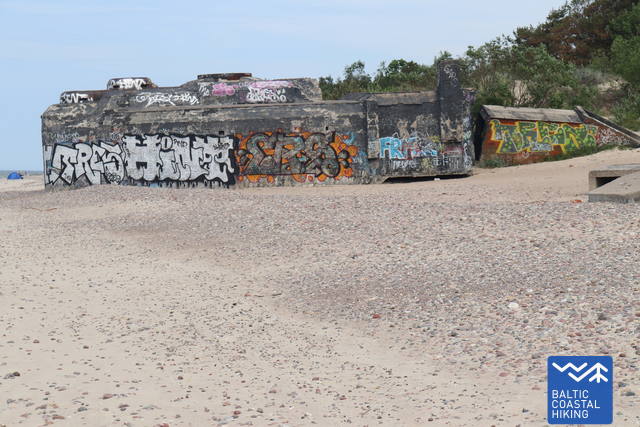
The German artillery battery from the Second World War has been perfectly preserved. It houses a museum and offers educational programs. |
|
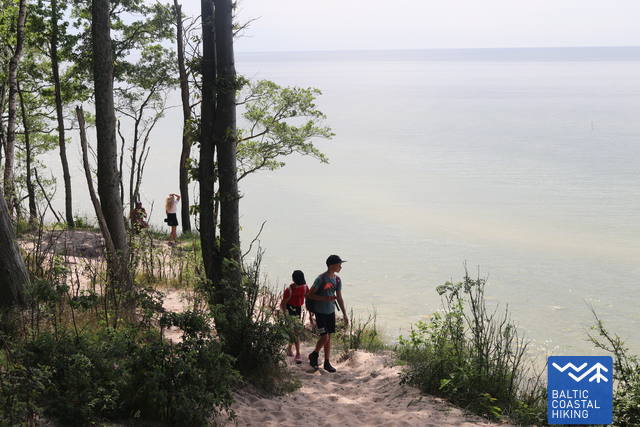
The trail winds along the steep 15-meter-high shores of the sea, revealing beautiful views of the Baltic Sea. |
|
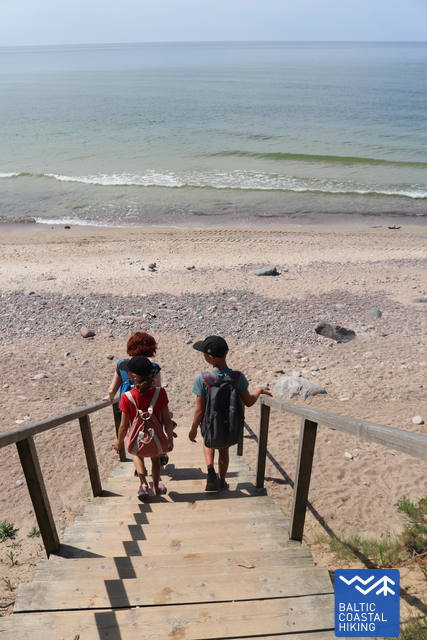
You can marvel at the sea, its steep shores and pebble beaches from 24-meter-high cliffs. |
Cairn sculptures in the seaside. |
|
The neo-renaissance manor of Tiškevičiai now serves as Amber Museum. Visitors can take walks in the Botanical Garden with ponds and the promenades among hundred-year-old trees, and visit the Birutė Hill Chapel, Guardhouse and the Sanctuary of Our Lady of Lourdes. |
|
|
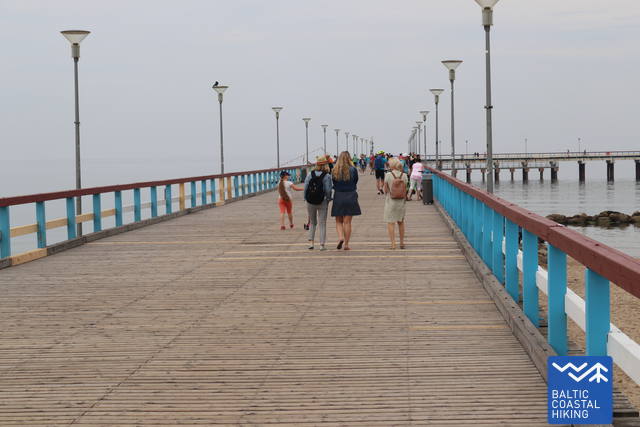
This 470-meter-long bridge is the most popular and largely visited spot in Palanga and has become its symbol. |
This is the central street and pedestrian boulevard of Palanga City. Many cafes and a variety of other entertainment options are available for visitors during the summer season. |
|
|
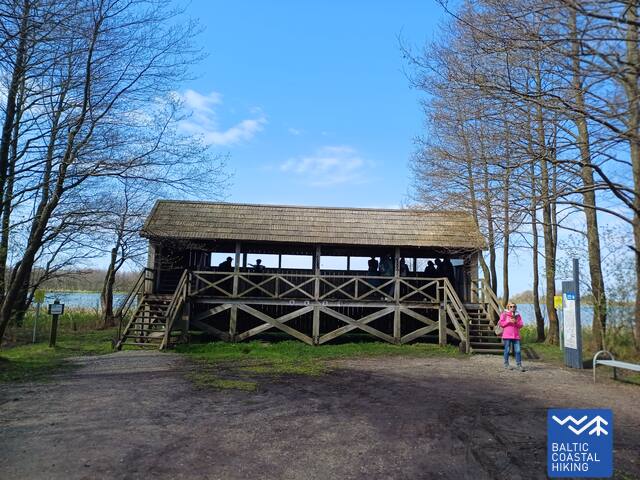
Plazė is a lake of glacial origin found at the coast of the Baltic Sea, in Plazė Nature Reserve of the Seaside Regional Park. It is the perfect spot to watch aquatic birds during their migration. Various aquatic birds come here to rest and regain their strength on their long migratory journeys from the nesting grounds in the Ob and Yenisei deltas in Northern Russia to their wintering grounds in Western Europe (Belgium, the Netherlands, Germany, and Great Britain). For visitor convenience, there is a birdwatching hut equipped with viewing binoculars in the area. Birds observed hereAt the lake, visitors might find the grey heron, the common goldeneye, the tufted duck, the northern pintail, the gadwall, the northern shoveler, the common crane, the great egret, the water rail, and the white-tailed eagle. Occasionally, a long-tailed duck might make an appearance. Colonies of great cormorants dwell on the banks of the lake.
Binoculars rentalSeaside Regional Park Visitor Centre Placio gatve 54, Karklė Ph. +370 46412483 |
|
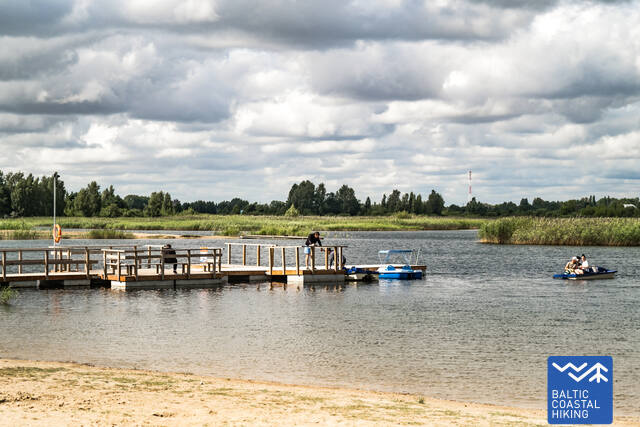
Quarry ponds are artificial bodies of water that formed due to human activity – excavating gravel and sand for construction purposes. In the long term, the quarries filled up with water, which allowed for the formation of a typical ecosystem found in standing water bodies. The quarry ponds found on the outskirts of Gargždai are no exception. Thus, an oasis for the flora and fauna typical to standing bodies of water developed here. Birds observed hereVisitors can usually see mallards, great crested grebes, and mute swans here. In Autumn and Spring, the quarry ponds might be quite the sight for birdwatchers. Birds like the tufted duck, the common goldeneye, the common merganser and the smew, the northern pintail, and the gadwall like to dwell here. Some birds live on the banks of the quarry ponds – the reedbeds. These include the common reed bunting, Savi’s warbler, the great and the Eurasian reed warblers, the western marsh harrier, and the common moorhen. At Dovilai quarry ponds, visitors might also see species included in the Red Data Book of Lithuania – the Eurasian and little bitterns. Despite it being extremely hard to spot them, hearing their songs is not that difficult. Just keep your ears open during May through July. The voice of the little bittern is reminiscent of a dog’s bark, while the Eurasian bittern sounds like blowing on a bottle. All other birds are not that difficult to spot and hear. Parking lot 55.680885, 21.370948 Binoculars rentalKlaipėda district tourism information centre Kvietinių gatve 5-2, Gargždai Ph. +370 62081901 |

1. Комплекс зданий Клайпедского университета. Самый молодой университет в Литве расположился в исторических зданиях – в казармах неоготического стиля, построенных в начале ХХ века. GPS: 55.72416, 21.12403
2. Мол в Мелнраге, морские ворота. Это место, где Куршский залив впадает в море, а корабли заходят в порт. GPS: 55.73026, 21.08086
3. Познавательная пешеходная тропа – променад в Мелнраге. В 2020 году через прибрежные дюны Мелнраге проложена новая широкая деревянная дорожка с игровыми площадками, островками для отдыха и информационными стендами, представляющими приморскую флору и фауну. GPS: 55.732505, 21.087045
4. Военные укрепления „Memel Nord“. В прекрасно сохранившейся немецкой батарее береговой артиллерии времен Второй мировой войны находится музей, проводятся образовательные мероприятия. GPS: 55.77823, 21.07425
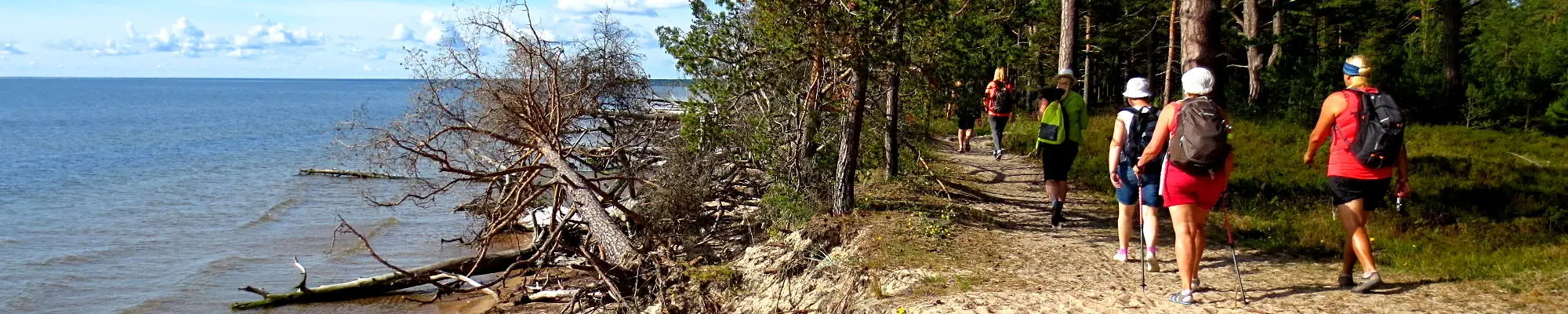
5. Экологическая познавательная тропа „Litorina“. Путешествуя по тропе, петляющей по крутым склонам побережья, с высоты 15 метров открываются потрясающие панорамные виды на Балтийское море. GPS: 55.79654, 21.06790
6. Склон „Olando kepurė“ (Шляпа голландца). Со склона высотой 24 метра открывается вид на море с крутыми берегами и каменистыми пляжами. GPS: 55.79831, 21.06742
7. „Fredo parkas“ (Парк Фреда). Скульптуры из балансирующих камней на побережье. GPS: 55.84729, 21.05962
8. Усадебный дворец и парк в Паланге. В построенном в неоренессансном стиле дворце усадьбы Тышкевичей находится Музей янтаря, сохранился ботанический парк с прудами и аллеями вековых деревьев, часовня на холме Бируте, сторожевая будка, грот Лурдес. GPS: 55.90750, 21.05620
9. Палангский мост. Мост длиной 470 метров – самое популярное и посещаемое место Паланги, ставшее символом курорта. GPS: 55.92013, 21.04721
10. Ул. Й. Басанавичюса в Паланге. Это центральная улица города – бульвар. Во время летнего сезона здесь действует множество кафе, различных развлечений. GPS: 55.91908, 21.05598