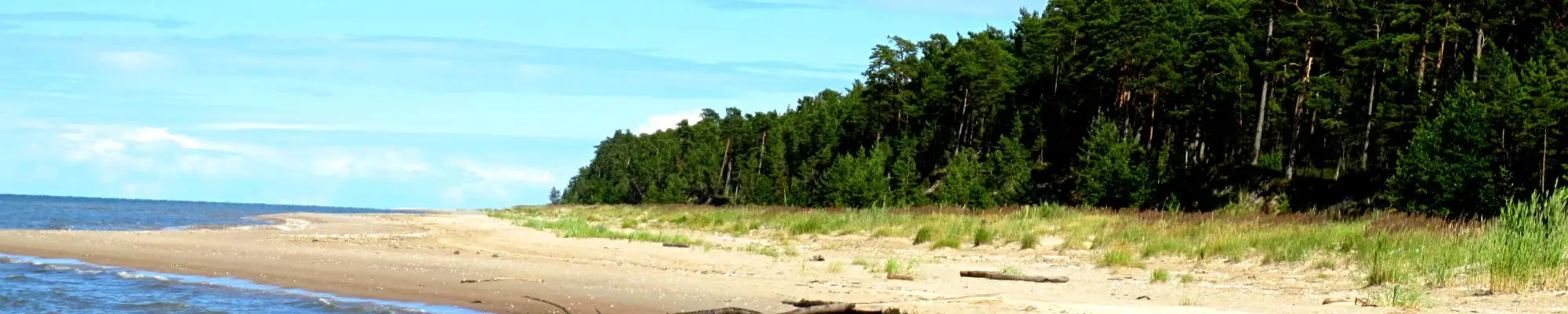
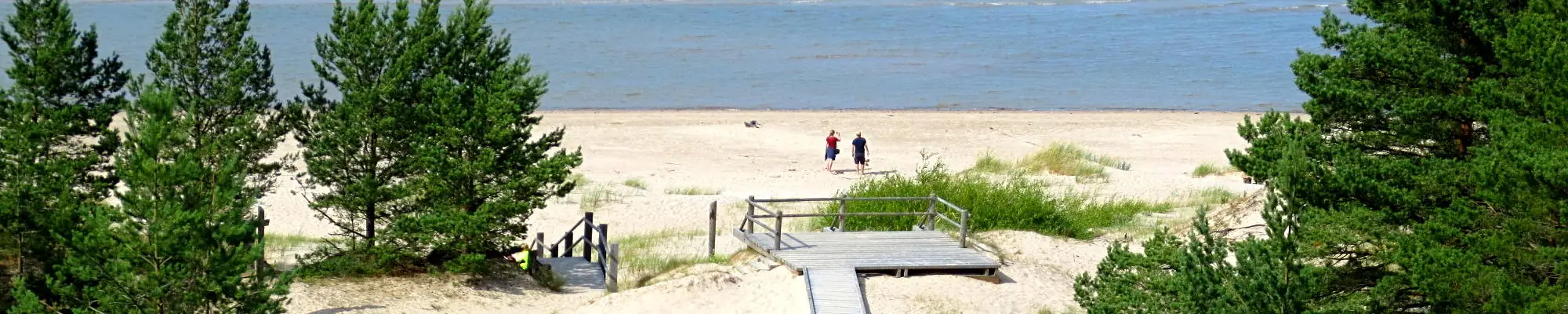
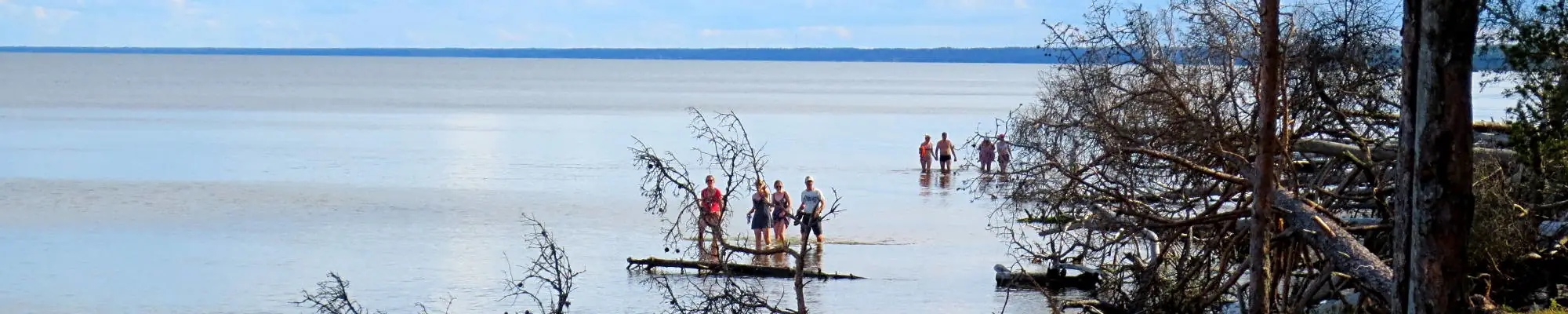
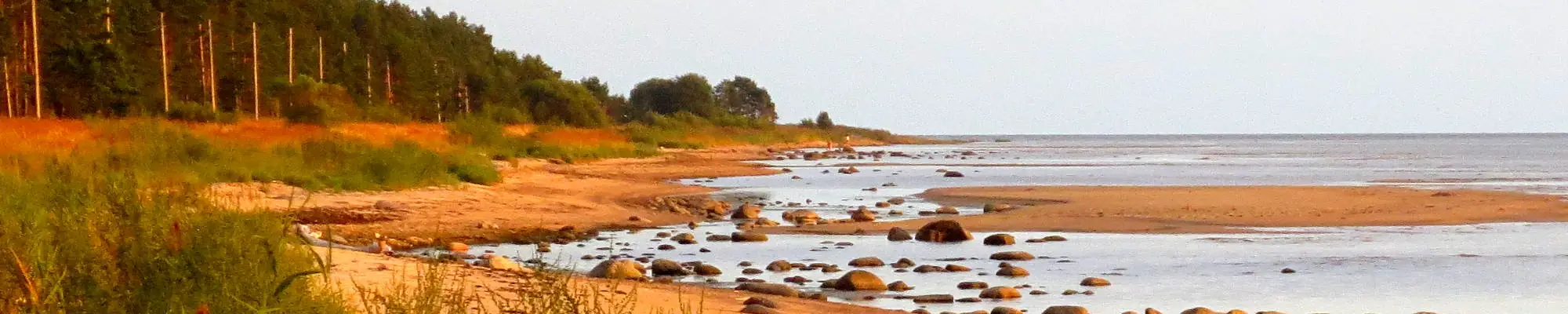


1-й этап. Нида – Папе. Балтийское море.
1-й этап. Нида – Папе.
Стоит увидеть
 Стоит увидеть
|
|
|
|
|
Охраняемый геологический объект площадью 8,2 га. |
|
|
|
|
|
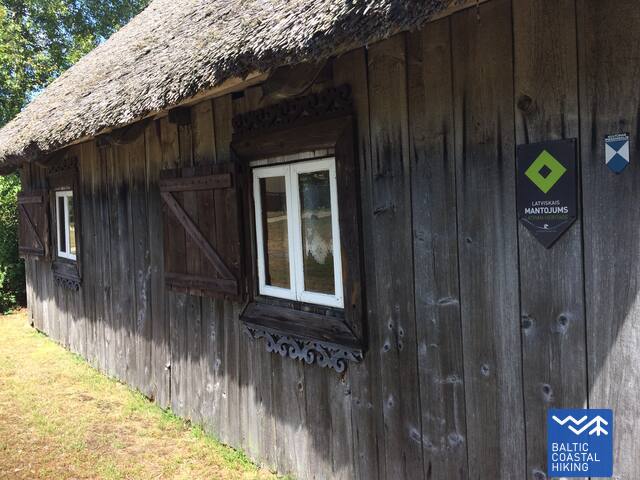
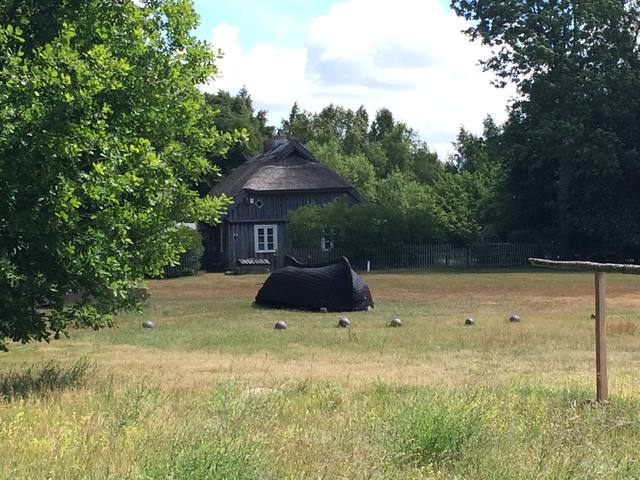
Уникальный исторический рыбацкий поселок – один из немногих хорошо сохранившихся до наших дней. |
|
+371 29262283 |

|
Высота маяка составляет 22 м. |
|
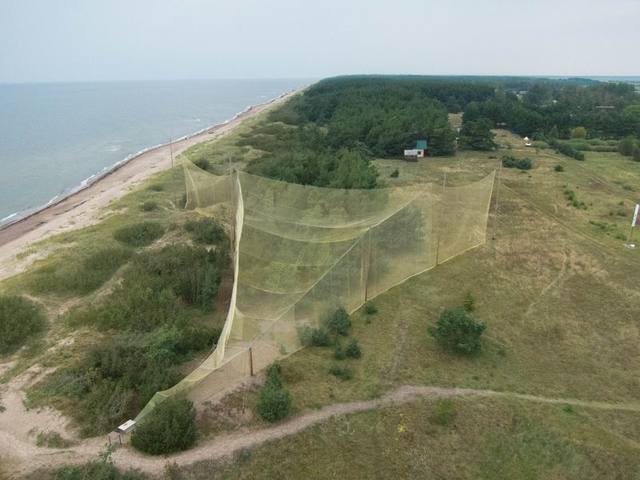
Открыта по предварительной записи во время миграции птиц с середины августа до конца октября. +371 29236300 |
|
|
|
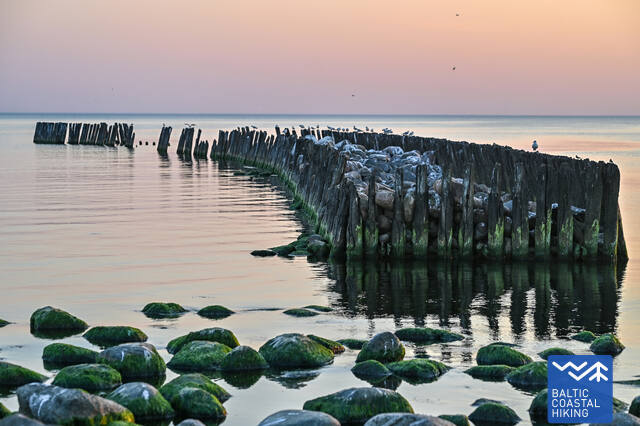
Pape Lighthouse Beach is a very good place for seabird watching. During the spring migration, which takes place between March and May, hundreds of thousands of water birds can be observed flying over the sea to breeding grounds in the north. Birds observed hereThe list of migrating species includes loons of both species, common scoters, long-tailed ducks, Eurasian wigeons, common gulls, red-breasted mergansers, and others. In summer, the area around Lake Pape serves as breeding grounds, for instance, for the Eurasian hoopoe, black redstart, European greenfinch, and western house martin.
|
|
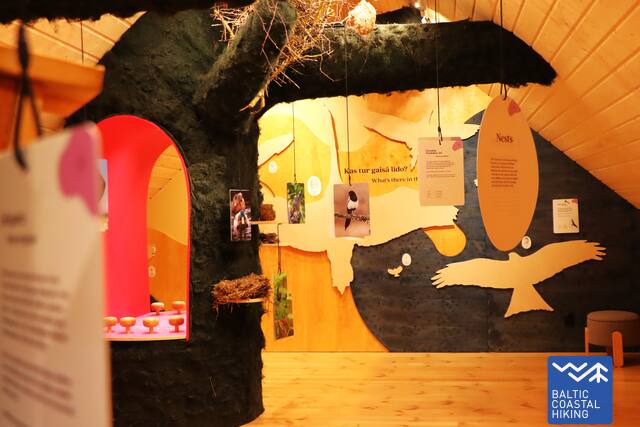
At the historic fishery "Dzintarvēji," the Pape Tourist Information Point hosts an exhibition that introduces visitors to the diversity of birds, their migration habits, and includes interactive games on recognition of bird sounds, names, and habitats. Parking lot 56.150799, 21.030975 Binoculars rentalPape Tourism Information Point "Dzintarvēji", Pape, Rucavas pagasts Ph. +371 29134903 |
|
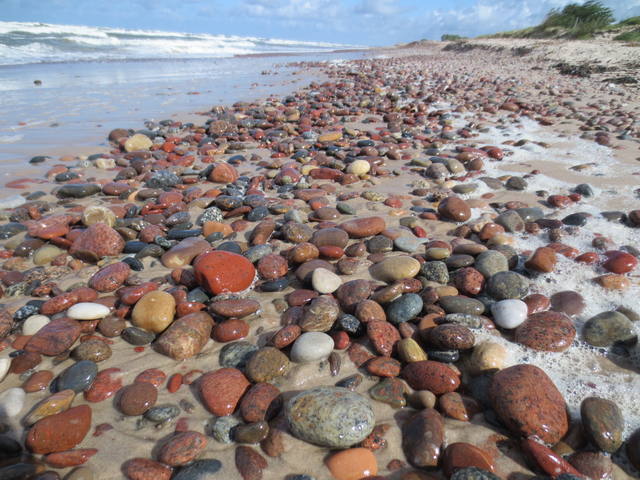
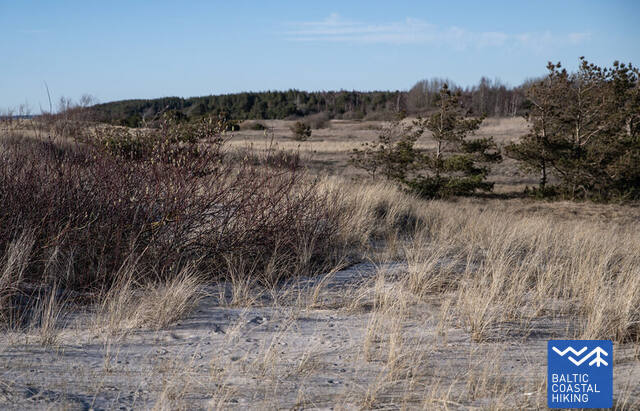
Nida Beach and dunes are a good bird-watching site for both seabirds and land birds in autumn and spring. On the beach near the village of Nida, you can see the uncharacteristic for Latvia pebbly wall of the ancient Littorina coast and the sediments of the ancient Nida marsh. Birds observed hereIn spring and summer, the area is home to the Montagu’s harrier, short-eared owl, northern lapwing, common grasshopper warbler, river warbler, and Eurasian curlew. In spring and autumn, the meadows are a foraging site for a large number of common wood pigeons and stock doves, redwing, fieldfares, and European golden plovers. During the summer breeding season, the European serin, great grey shrike, European stonechat, and citrine wagtail can be observed here. Outside the breeding season, birds of prey hunt in the meadows, and black grouse, which are breeding in the Nida marsh, can be observed. Nature guideRitvars Rekmanis Ph. +371 28256131 |
